
Productivity Tips for Podcast Creators:

Podcasting has become one of the most popular ways to share stories, ideas, and expertise with a global audience. However, producing a podcast consistently can be challenging. From planning episodes and booking guests to recording, editing, and promoting content, podcast creators juggle multiple tasks at once. Without effective strategies, it’s easy to fall behind schedule or burn out.
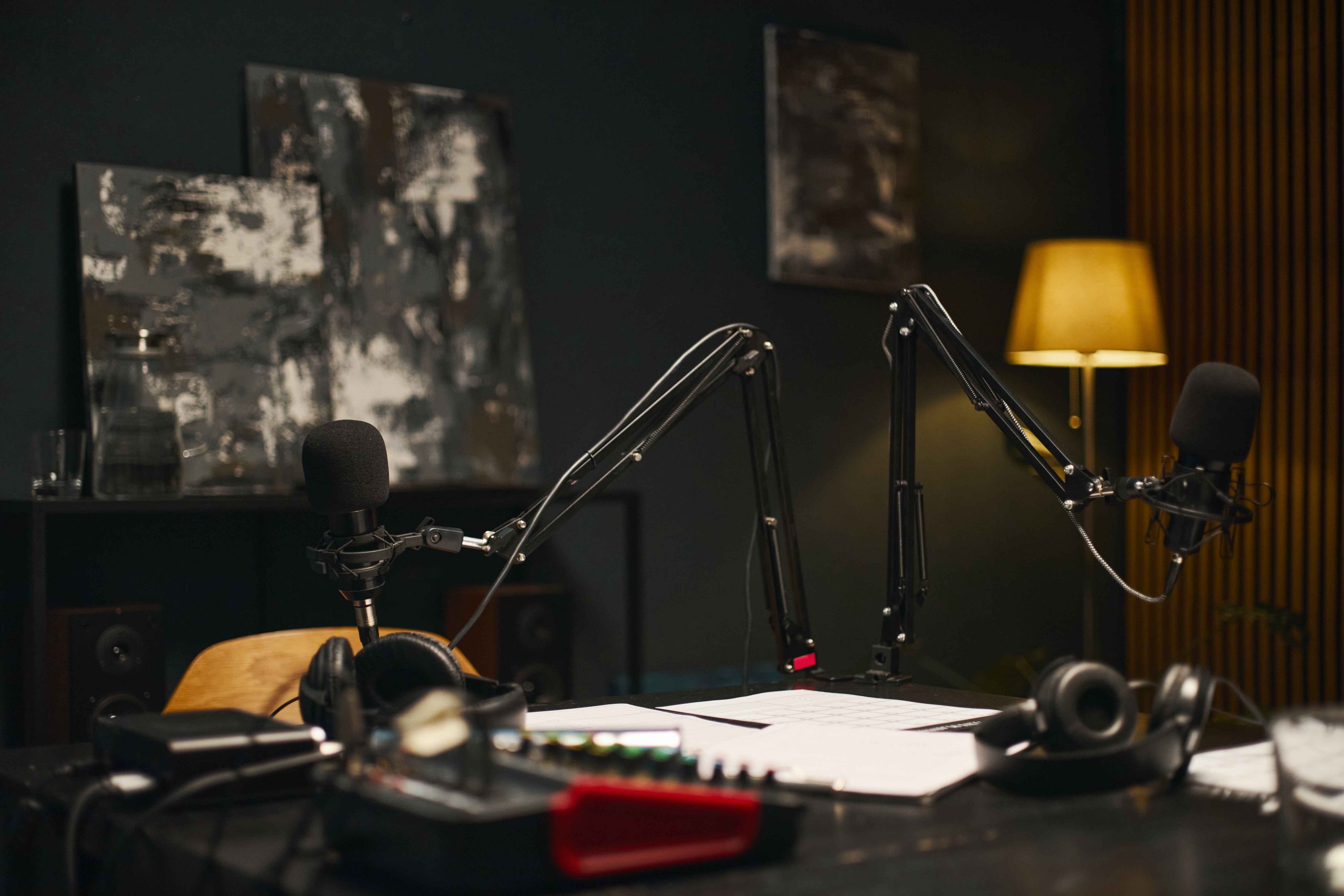
One way to simplify the process is by leveraging professional resources like Work Space Junction, which offers Podcast Studio services that provide high-quality equipment, expert guidance, and streamlined production support. Using such resources can help creators save time, maintain consistency, and focus on delivering engaging content without feeling overwhelmed.
1. Plan Your Episodes in Advance
One of the biggest productivity killers is uncertainty. When you don’t have a plan for upcoming episodes, you waste time deciding topics, researching, and outlining at the last minute.
Create a content calendar for at least a month in advance. Plan episode topics, key discussion points, and guest appearances. This approach reduces stress and ensures you always have content ready to produce, keeping your podcast schedule consistent.
2. Batch Your Work
Batching is a productivity strategy where you focus on similar tasks for an extended period instead of switching between multiple tasks. For podcasters, this could mean:
-
Recording several episodes in one day
-
Editing multiple episodes in one session
-
Scheduling all social media promotion for the month
Batching reduces mental fatigue caused by task-switching and allows you to complete more work efficiently while maintaining consistent quality.
3. Use AI Tools for Editing and Production
AI tools have revolutionized podcast production. Platforms like Descript, Podcastle, and Auphonic can help with editing, transcription, noise reduction, and even automatic leveling of audio.
By automating repetitive tasks, AI frees up time for creativity and content strategy. This is especially helpful for solo podcasters who manage every aspect of production.
4. Establish a Recording Routine
Consistency is easier when recording becomes a habit. Set specific days or times for recording each week. A routine reduces decision fatigue and ensures that episodes are produced regularly.
Additionally, prepare a checklist before recording: test microphones, check room acoustics, and outline talking points. Being organized before hitting “record” saves time in post-production.
5. Delegate Tasks When Possible
Even solo podcasters can benefit from delegating tasks. Hiring freelance editors, transcription services, or social media managers allows you to focus on content creation rather than repetitive or technical work.
If budget is limited, consider swapping services with other creators or using interns to manage administrative or promotional tasks. Delegating keeps your workflow smooth and prevents burnout.
6. Repurpose Content
Repurposing is a highly effective productivity hack. One podcast episode can become:
-
Blog posts
-
Social media clips
-
Email newsletter content
-
Audiograms or short video snippets
Repurposing saves time while expanding your audience across different platforms. It also ensures your content continues to deliver value long after the original episode is released.
7. Use Templates and Checklists
Templates and checklists save time and ensure nothing is overlooked. Create templates for episode outlines, guest questionnaires, show notes, and promotional posts.
A checklist for each episode — covering pre-production, recording, editing, and promotion — streamlines your workflow and reduces mistakes. Over time, these templates become an essential part of your podcasting system.
8. Track Your Time and Optimize
Monitor how long tasks take and identify areas where you can improve efficiency. Tools like Toggl, RescueTime, or Clockify can help track time spent on research, recording, editing, or promotion.
Analyzing this data allows you to optimize your workflow. For example, if editing consumes the most time, you might invest in AI editing tools or hire an editor to free up hours for content creation.
9. Take Breaks and Avoid Burnout
High productivity doesn’t mean overworking. Scheduling breaks between recording, editing, and promotional work prevents burnout and keeps creativity flowing.
Even short breaks can improve focus, reduce errors, and help maintain energy for long recording sessions or post-production work.
Conclusion
Productivity is essential for podcast creators who want to consistently deliver high-quality content while growing their audience. By planning episodes in advance, batching tasks, using AI tools, establishing routines, delegating, repurposing content, using templates, tracking time, and taking breaks, podcasters can streamline workflows and maximize output.
The key is creating a sustainable system that balances efficiency with creativity. When you work smarter, not harder, you can maintain consistency, engage your audience, and enjoy the creative process of podcasting without unnecessary stress.