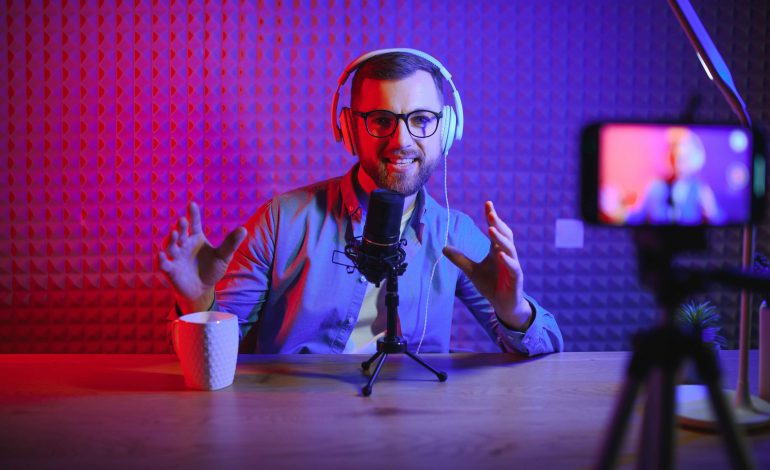

How Long Podcast Production Really Takes:

Podcasting has become a popular medium for creators, entrepreneurs, and brands, offering a powerful way to share stories, knowledge, and insights. While recording a podcast may seem simple, producing a high-quality episode involves multiple steps that take time and careful attention. Understanding how long podcast production really takes helps creators plan realistically, manage expectations, and maintain consistent publishing schedules.
1. Pre-Production: Planning the Episode
The first stage of production is pre-production planning, which can vary depending on the complexity of your episode:
-
Topic selection and research: This involves identifying a topic, conducting research, and preparing discussion points. For a well-researched episode, this can take anywhere from 1 to 5 hours.
-
Scripting and outlines: Even if you prefer a conversational style, creating a loose script or outline ensures the episode stays focused. Writing a basic outline may take 30 minutes to 2 hours, while detailed scripting could take several more hours.
-
Booking guests: Scheduling interviews can take days or even weeks, depending on guest availability and coordination.
Pre-production sets the foundation for a smooth recording session, saving time during editing and post-production.
2. Recording the Episode
Recording might seem like the quickest part, but it also varies depending on format:
-
Solo episodes: A 30–60 minute solo recording may only take the actual recording time, plus setup (about 1–2 hours total).
-
Interviews: Remote or in-person interviews require additional setup, sound checks, and coordination. A 60-minute interview could easily take 2–3 hours including preparation.
-
Multiple takes: Mistakes or technical issues may require retakes, extending the recording time.
Good recording practices—quality microphones, quiet spaces, and proper mic technique—reduce time spent fixing issues during editing.
3. Editing and Post-Production
Editing is often the most time-consuming stage of podcast production. It involves:
-
Removing mistakes, filler words, and long pauses.
-
Adjusting volume levels and balancing audio between hosts and guests.
-
Enhancing clarity using EQ, compression, and noise reduction.
-
Adding music, intros, outros, and transitions.
-
Video editing, if applicable, including captions, graphics, and cropping for social media.
For a 60-minute episode, editing can take anywhere from 2 to 6 hours depending on complexity, audio quality, and whether it’s audio-only or video-based. More intricate episodes with multiple speakers or segments may require even more time.
4. Mastering the Episode
Mastering is the final polish, ensuring professional quality across all devices and platforms:
-
Final volume adjustments and loudness normalization.
-
Fine-tuning EQ and compression for clarity and balance.
-
Preparing files for different formats and platforms.
Mastering a single episode usually takes 30 minutes to 1 hour, but it’s crucial for consistency and listener satisfaction. Skipping or rushing mastering can result in uneven or unprofessional-sounding episodes.
5. Creating Episode Assets
Before publishing, creators need to prepare supporting assets, which can also be time-intensive:
-
Writing show notes, summaries, or blog posts.
-
Designing thumbnails or graphics for video podcasts.
-
Creating timestamps for longer episodes.
-
Preparing captions for social media or accessibility.
Depending on the level of detail, this stage can take 1–3 hours per episode.
6. Publishing and Promotion
Publishing involves more than uploading files:
-
Uploading to podcast hosts and video platforms.
-
Optimizing titles, descriptions, and metadata for discoverability.
-
Scheduling posts and social media promotion.
-
Creating short clips for social media to attract new listeners.
This stage typically takes 30 minutes to 2 hours per episode, but consistent promotion significantly impacts audience growth.
7. Total Time Commitment
When you add all stages together, a 60-minute podcast episode can realistically take:
-
Pre-production: 1–5 hours
-
Recording: 1–3 hours
-
Editing: 2–6 hours
-
Mastering: 0.5–1 hour
-
Asset creation and promotion: 1–3 hours
Total: 5.5 to 18 hours per episode
This range depends on factors like episode length, number of speakers, complexity of content, and whether video elements are included.
Conclusion
Podcast production is a time-intensive process that involves careful planning, recording, editing, mastering, and promotion. While the recording itself may only take an hour, the entire workflow from concept to published episode can take 5–18 hours or more. Understanding this helps podcasters set realistic expectations, streamline workflows, and maintain consistent publishing schedules.
Investing time in each stage ensures a high-quality, professional, and engaging podcast that attracts and retains listeners. Podcasting is not just about speaking into a microphone—it’s about creating a polished experience that your audience can enjoy and trust.