Interview vs Solo Podcasts: Which Format Works Best?

Podcasting offers creators a unique platform to share ideas, tell stories, and build an audience. One of the first critical decisions new podcasters face is choosing a format. Should you host a solo podcast or conduct interviews with guests? Both formats have their advantages and challenges, and the right choice depends on your goals, audience, and content style.
Here’s a detailed guide to help you understand the pros and cons of interview and solo podcasts and determine which format works best for you.
Solo Podcasts
Solo podcasts are episodes where a single host shares ideas, insights, or stories without guest participation. This format is ideal for creators who have a specific expertise or message they want to communicate directly.
Pros of Solo Podcasts:
-
Full Creative Control
As the only host, you decide the content, pacing, and tone of every episode. You can dive deep into your expertise without compromise. -
Easier Scheduling
No need to coordinate with guests’ availability. You can record episodes at your convenience, which allows for more frequent publishing. -
Stronger Personal Branding
Solo podcasts help you establish authority and a personal connection with your audience. Listeners get to know you intimately, which builds loyalty over time. -
Cost-Effective
There’s no need to pay guests or manage travel and technical arrangements for interviews, making solo podcasts simpler and more affordable.
Cons of Solo Podcasts:
-
Pressure on the Host
You must carry the entire episode yourself, which can be challenging in terms of energy, content ideas, and delivery. -
Limited Perspective
Solo episodes rely entirely on your knowledge and experience, which may limit diversity in content or insights. -
Audience Growth Can Be Slower
Without guest cross-promotion, it may take longer to reach new audiences.
Interview Podcasts
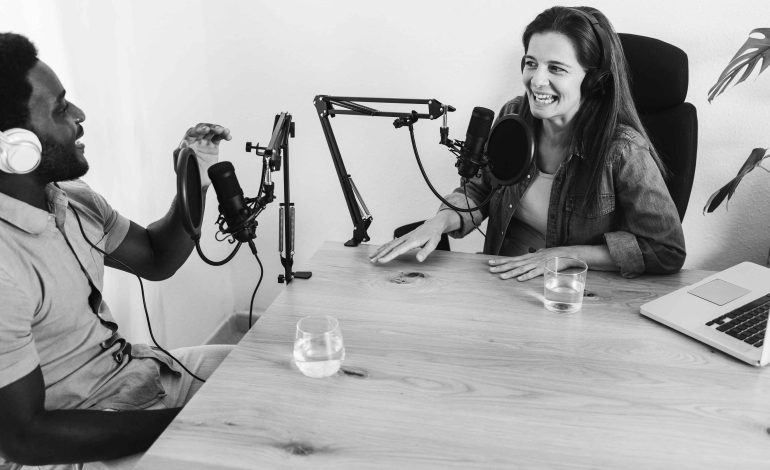
Interview podcasts involve hosting guests who share their expertise, stories, or experiences. This format is highly popular for business, educational, and niche content podcasts.
Pros of Interview Podcasts:
-
Fresh Perspectives and Expertise
Guests bring unique insights, experiences, and stories, enriching your content and keeping episodes dynamic. -
Audience Expansion Through Guest Networks
Each guest often shares the episode with their audience, introducing your podcast to new listeners and boosting growth. -
Engaging Conversations
Interviews create natural dialogue, which can make episodes more lively, relatable, and entertaining for listeners. -
Flexibility in Content
With the right questions and guests, you can cover a wide range of topics without needing deep expertise in every area yourself.
Cons of Interview Podcasts:
-
Scheduling Challenges
Coordinating with guests can be time-consuming and may cause delays in publishing. -
Dependence on Guests
Poorly prepared or unengaging guests can affect the quality of your episode. -
Less Control Over Flow
Conversations may go off-topic, requiring strong hosting skills to keep the discussion on track. -
Higher Production Demands
Recording remote interviews may require additional tools, software, and troubleshooting to ensure quality audio/video.
Hybrid Approach
Some podcasters combine both formats, creating a hybrid model:
-
Solo episodes focus on your expertise, tips, or commentary.
-
Interview episodes bring in external perspectives, case studies, or stories.
Benefits of a Hybrid Approach:
-
Keeps content fresh and varied.
-
Builds personal authority while leveraging guest networks.
-
Allows flexibility to adjust format based on audience feedback or topic suitability.
Choosing the Right Format
To decide which format works best, consider these factors:
-
Your Goals:
-
Solo podcasts are ideal for building personal brand authority.
-
Interviews are better for networking, thought leadership, and audience growth.
-
-
Content Style:
-
If your content is educational, advice-driven, or story-focused, solo episodes may work well.
-
If your content thrives on different viewpoints, expert insights, or storytelling, interviews are ideal.
-
-
Resources and Time:
-
Solo episodes are easier and faster to produce.
-
Interviews require more planning, scheduling, and editing.
-
-
Audience Preferences:
Research your niche to understand what listeners prefer. Some audiences enjoy expert interviews, while others appreciate solo commentary.
Conclusion
Both solo and interview podcasts offer unique advantages and challenges. Solo podcasts give you full control, reinforce your personal brand, and allow for consistent publishing, but can be demanding to carry alone. Interview podcasts bring diverse perspectives, expand your reach, and create engaging conversations, but require more coordination and hosting skills.
Many successful podcasters use a hybrid approach, combining solo episodes with interviews to maximize reach, authority, and variety. The best format ultimately depends on your goals, resources, and audience, but both can be highly effective when executed thoughtfully.
By understanding the strengths and limitations of each format, you can create a podcast that resonates with your audience, grows steadily, and builds long-term engagement.