What Happens Inside a Podcast Studio:

Podcasting has exploded in popularity over the past decade, becoming a favorite medium for storytelling, education, and entertainment. But while listeners enjoy polished, engaging episodes, few understand the work that happens behind the microphone. A podcast studio is more than just a room with microphones; it’s a hub of planning, technology, creativity, and collaboration. Companies like Work Space Junction provide professional Podcast Studio services, offering creators the tools, expertise, and environment needed to produce high-quality, engaging episodes efficiently.
Preparing the Studio: The Foundation of Quality
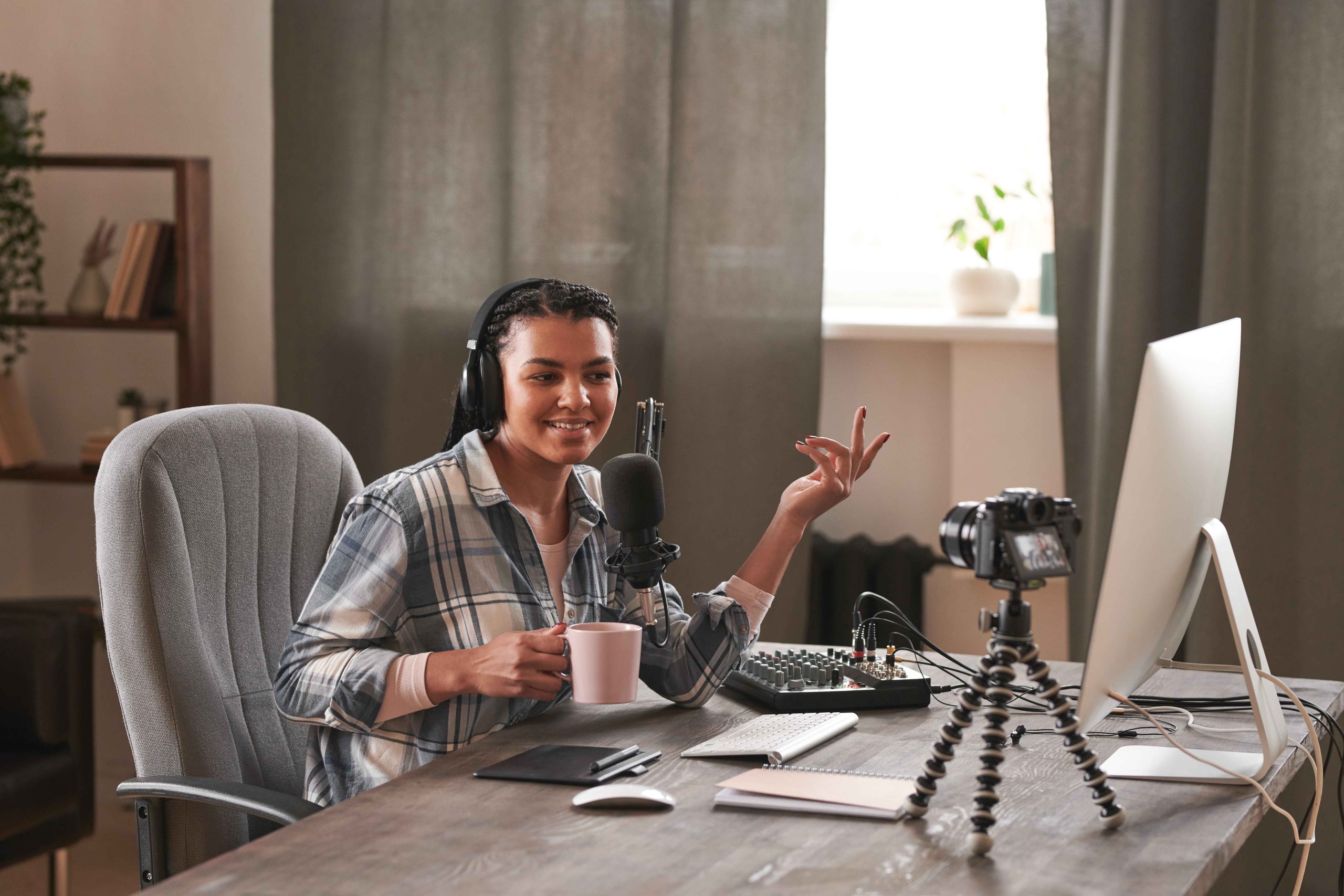
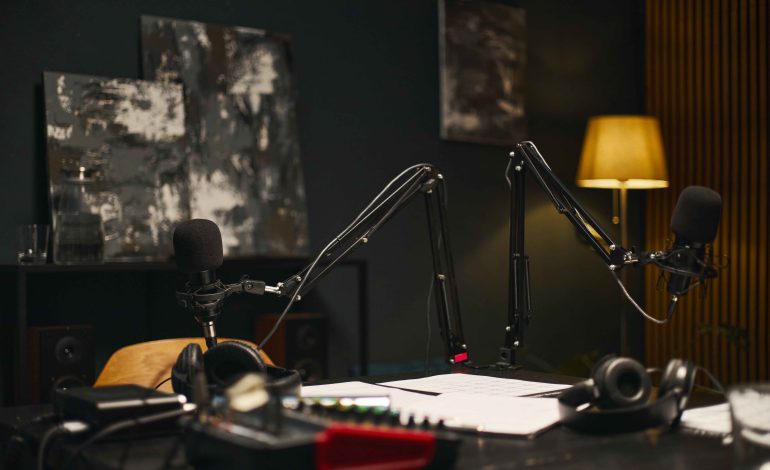
A day in a podcast studio begins long before recording starts. The first step is preparation. Microphones are tested, audio interfaces are calibrated, and soundproofing is checked to ensure clarity. Lighting is adjusted if video recording is involved, and computers or recording devices are set up to capture multiple audio tracks simultaneously.
Hosts and producers review scripts, outline questions, and finalize discussion points. Even the placement of microphones, chairs, and cameras is carefully considered. Every detail matters because good audio quality and a comfortable environment make for better conversations and higher listener satisfaction.
Recording Sessions: Capturing Authentic Conversations
Once everything is set, recording begins. Podcast hosts guide the conversation, while producers monitor audio levels in real-time. High-end studios often record each participant on a separate track to allow for precise post-production editing.
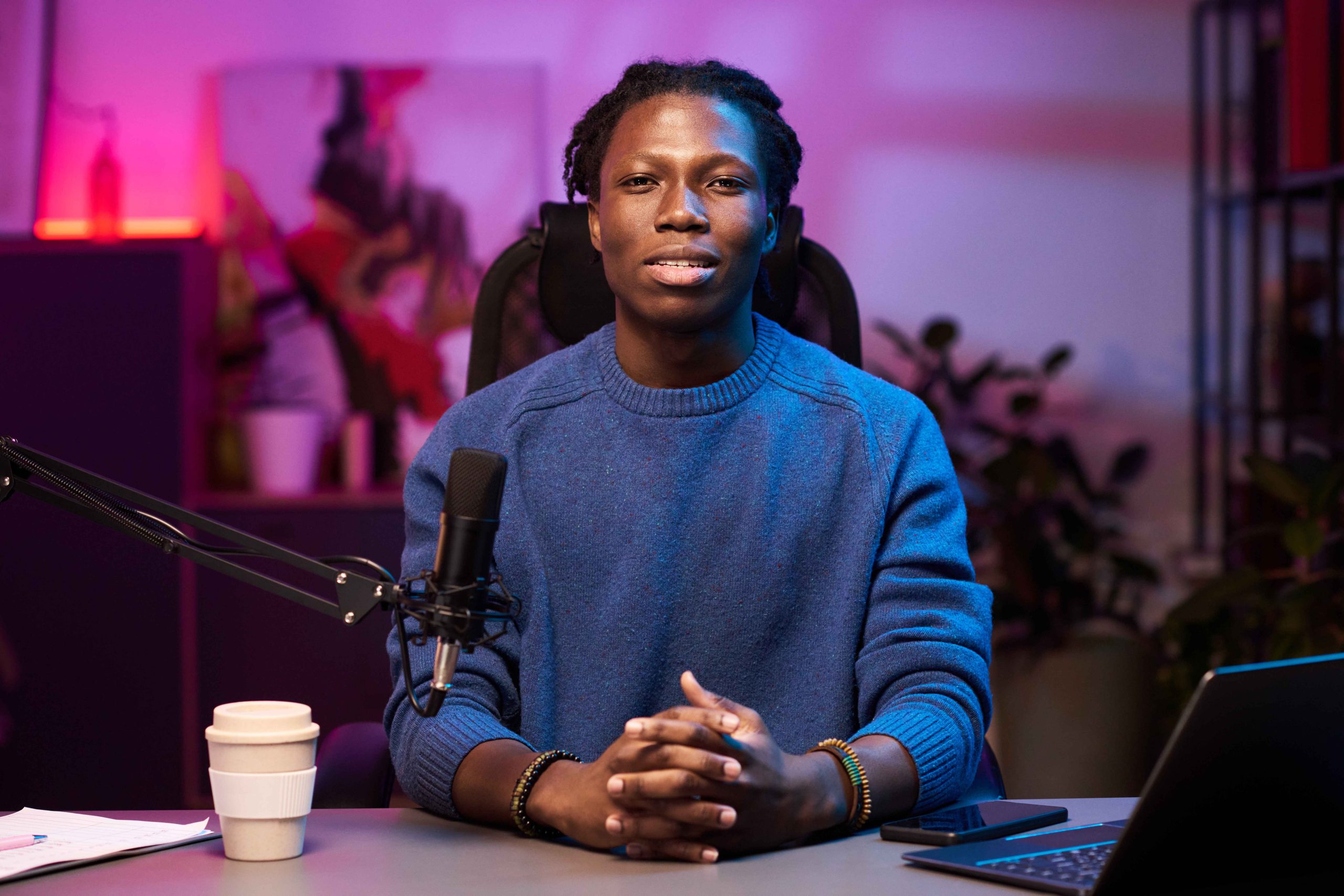
Guests may feel nervous, so part of the studio’s job is to make them comfortable. A relaxed atmosphere ensures natural, engaging conversations that feel authentic to listeners. In many professional studios, AI-powered tools assist in noise reduction and real-time leveling, helping the audio sound crisp and balanced even if minor issues occur during recording.
Behind-the-Scenes Coordination
While recording takes place, other team members work behind the scenes. Editors may start cleaning up previously recorded episodes, marketers prepare promotional materials, and social media managers schedule posts. Coordination between teams ensures that each episode moves smoothly from concept to release.
Studio culture emphasizes teamwork. Producers, hosts, and engineers communicate constantly, adjusting content, solving problems, and ensuring everything is running on schedule. Even small moments, like discussing a guest’s introduction or finalizing music cues, are carefully coordinated.
Post-Production: Crafting the Final Product
Once the session is over, post-production begins. This stage can be time-consuming but is critical for creating a professional podcast. Editors remove filler words, correct pacing, balance sound levels, and add music, sound effects, or transitions where appropriate.
AI-powered editing tools such as Descript or Auphonic are increasingly used to speed up this process. These tools can automatically remove background noise, normalize audio, and even suggest edits based on the script. Post-production also includes creating show notes, timestamps, and transcripts, making the podcast more accessible and improving discoverability online.
Marketing and Distribution
A studio’s work doesn’t end once the episode is edited. Marketing and distribution are key parts of the podcasting process. Teams schedule episodes across hosting platforms, update RSS feeds, and create social media snippets to attract listeners. Short audiograms, highlight clips, or teaser videos are often produced to generate buzz and increase engagement.
Analytics tools track downloads, listener demographics, and engagement metrics. This data informs future episodes, helping creators tailor content to audience preferences and grow their reach.
Creativity and Innovation
A podcast studio is also a space for experimentation. Hosts may try new formats, interactive segments, or live interviews. Producers explore innovative editing techniques, new soundscapes, or AI-assisted features. Collaboration and creativity thrive in the studio environment, allowing teams to consistently deliver fresh and engaging content.
The Human Element
While technology plays a huge role, a studio is ultimately about people. Hosts, producers, sound engineers, editors, and marketing staff all contribute to the final product. Their expertise, dedication, and passion transform raw conversations into engaging episodes that listeners love.
Conclusion
What happens inside a podcast studio is a blend of art, science, and teamwork. From careful preparation and real-time recording to meticulous editing and strategic marketing, every step is designed to create a polished, professional, and engaging listening experience.
Listeners may only hear the final episode, but behind the scenes is a world of planning, collaboration, and technology that ensures every story is told perfectly. Understanding this process gives a new appreciation for the skill, effort, and creativity required to produce high-quality podcasts consistently.