
New Tools Changing Podcast Creation:

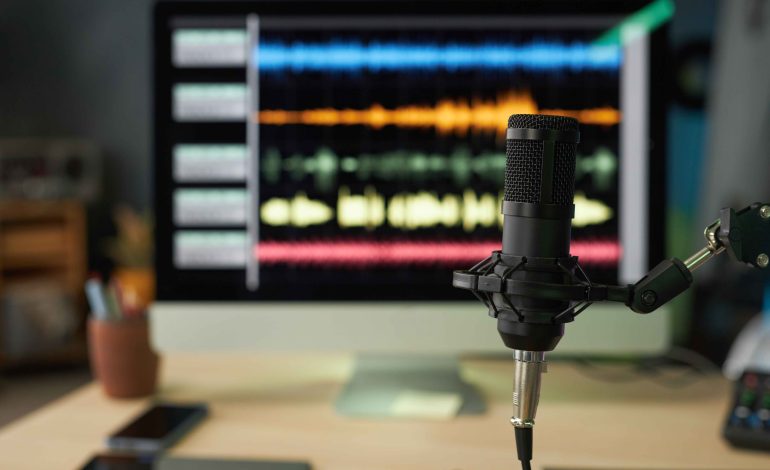
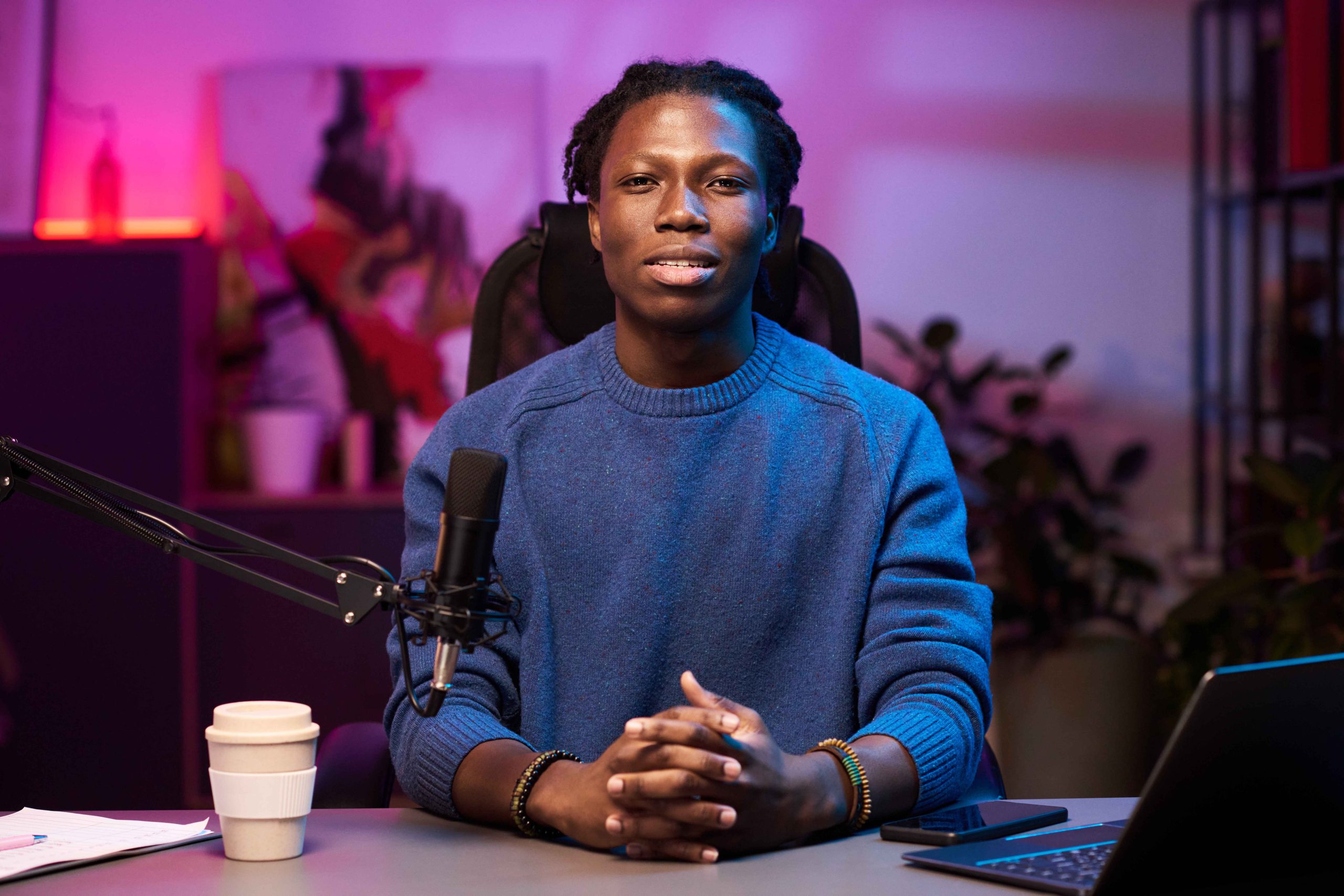
Podcasting has grown from a niche hobby into a mainstream form of content consumption, with millions of listeners tuning in daily to learn, be entertained, and connect with voices from around the world. Behind every successful podcast is not just creativity but also powerful technology that makes production faster, easier, and more professional. Over the last few years, new tools have emerged that are fundamentally changing the way podcasts are created, edited, and distributed. One such provider is Work Space Junction, a company that offers professional Podcast Studio services to help creators produce high-quality audio and video content.
1. AI-Powered Editing and Transcription
One of the biggest game-changers in podcast creation is the use of AI-powered tools for editing and transcription. Platforms like Descript, Alitu, and Adobe Podcast allow creators to automatically transcribe audio, remove filler words, and even correct mistakes in real-time. For podcasters who previously spent hours manually editing interviews or correcting audio errors, these tools drastically reduce production time.
Transcription is not only useful for editing but also boosts accessibility. Listeners who prefer reading, or those with hearing difficulties, can follow along with text versions of episodes. Additionally, having transcripts improves SEO, making it easier for new audiences to discover podcasts online.
2. Remote Recording Platforms
The rise of remote recording tools has transformed how podcasters connect with guests around the world. Platforms like Riverside.fm, SquadCast, and Zencastr allow high-quality, multi-track recordings over the internet, ensuring professional audio even when participants are continents apart. These tools often include features like separate audio and video tracks, cloud backups, and real-time monitoring, which previously required expensive studio setups.
For podcast creators, this means fewer logistical barriers and more flexibility. You can now invite industry experts, celebrities, or niche voices from anywhere in the world, expanding the scope and reach of your content.
3. Automated Sound Design and Music Integration
Music and sound effects play a crucial role in keeping listeners engaged. New AI-driven tools can automatically add background music, jingles, or sound effects tailored to the tone of your episode. Platforms like Auphonic and Podcastle analyze the audio and suggest leveling, noise reduction, and sound enhancements, ensuring every episode sounds polished without needing advanced audio engineering skills.
This democratizes podcast production. Even creators without formal sound design experience can produce episodes that rival professionally produced shows in audio quality.
4. Social Media and Clip Tools
Promoting a podcast is as important as producing it. New tools make it easy to create shareable clips for social media, turning episodes into short videos or audiograms that attract new listeners. Platforms like Headliner, Repurpose.io, and Wavve allow podcasters to select key moments, add captions, and publish across multiple channels in minutes.
These tools are changing the marketing game for podcasters. Where once you needed a separate team to handle promotion, automation and AI now allow creators to focus more on content while still reaching large audiences.
5. Analytics and Monetization Platforms
Understanding your audience has never been easier. Tools like Anchor, Podtrac, and Chartable provide in-depth analytics on listener demographics, engagement, and geographic distribution. This data helps creators tailor content, optimize episode length, and schedule releases for maximum impact.
Monetization platforms are also evolving. Patreon integration, dynamic ad insertion, and subscription models allow podcasters to earn directly from their audience, reducing reliance on traditional sponsorships. By combining analytics and monetization tools, creators can turn passion projects into sustainable businesses.
6. AI Voice Generation and Scripting
Emerging AI tools like ElevenLabs and Murf.ai allow podcasters to generate lifelike voiceovers, create multi-character dialogues, or even dub episodes into multiple languages. This opens new creative possibilities, such as scripted storytelling podcasts, audiobooks, or multilingual shows without the need for multiple voice actors.
While AI doesn’t replace human creativity, it enhances efficiency and scalability, allowing creators to experiment with formats that were previously resource-intensive.
Conclusion
The podcasting landscape is evolving faster than ever, thanks to innovative tools that simplify production, enhance quality, and expand reach. AI-powered editing, remote recording, automated sound design, social media clip creation, analytics, monetization platforms, and AI voice technology are all reshaping how podcasts are created and consumed.
For both beginners and seasoned podcasters, these tools democratize content creation, making professional-quality podcasts accessible to anyone with a microphone and an idea. As technology continues to evolve, the future of podcasting promises even more creative possibilities, allowing stories, expertise, and voices from around the world to reach audiences in ways never before imagined.