
Audio-Only vs Video Podcasts: Pros and Cons:

Podcasting has grown into a versatile medium, offering creators the option to produce either audio-only episodes or video podcasts. Both formats have unique advantages, limitations, and audience considerations. Understanding the differences can help podcasters choose the best approach for their goals, resources, and audience engagement strategies.
Here’s a comprehensive guide to the pros and cons of audio-only versus video podcasts.
Audio-Only Podcasts
Audio-only podcasts are the traditional format and remain highly popular. They focus entirely on voice, storytelling, and sound quality.
Pros of Audio-Only Podcasts:
-
Lower Production Costs:
Audio podcasts require minimal equipment—typically a good microphone, headphones, and audio editing software. There’s no need for cameras, lighting, or video editing software. -
Easier to Produce:
Recording audio is simpler and faster than coordinating video shoots. Hosts can record remotely without worrying about visuals or camera angles. -
Highly Portable:
Listeners can consume audio podcasts while commuting, exercising, or doing household tasks, making them extremely convenient. -
Focus on Content:
Audio podcasts emphasize storytelling, ideas, and conversation. Listeners are more likely to concentrate on the message rather than visuals. -
Faster Production Turnaround:
Editing audio is generally quicker than editing video, allowing for more frequent episode releases.
Cons of Audio-Only Podcasts:
-
Limited Discoverability on Visual Platforms:
Audio-only podcasts often rely on platforms like Spotify, Apple Podcasts, or Google Podcasts. They don’t benefit from YouTube search and visual social media clips unless repurposed. -
Less Personal Connection:
Without visuals, it can be harder to establish a strong personal connection with your audience. Facial expressions and body language are missing. -
Challenges with Engagement:
Engagement metrics like likes, comments, and shares are limited compared to video platforms.
Video Podcasts
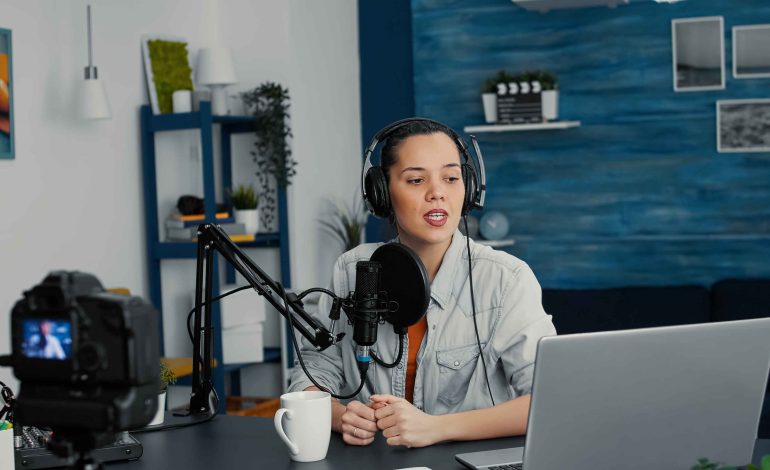
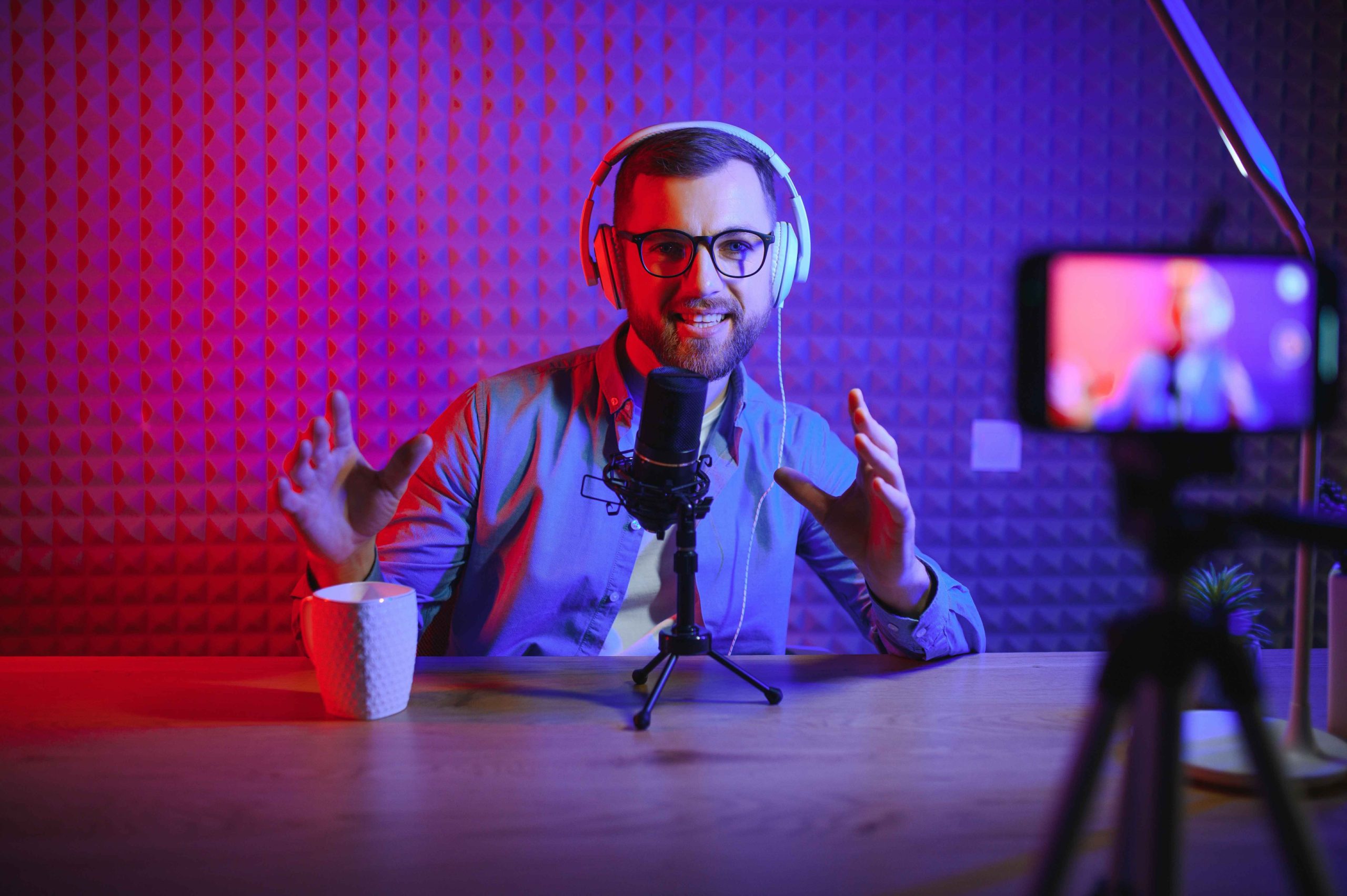
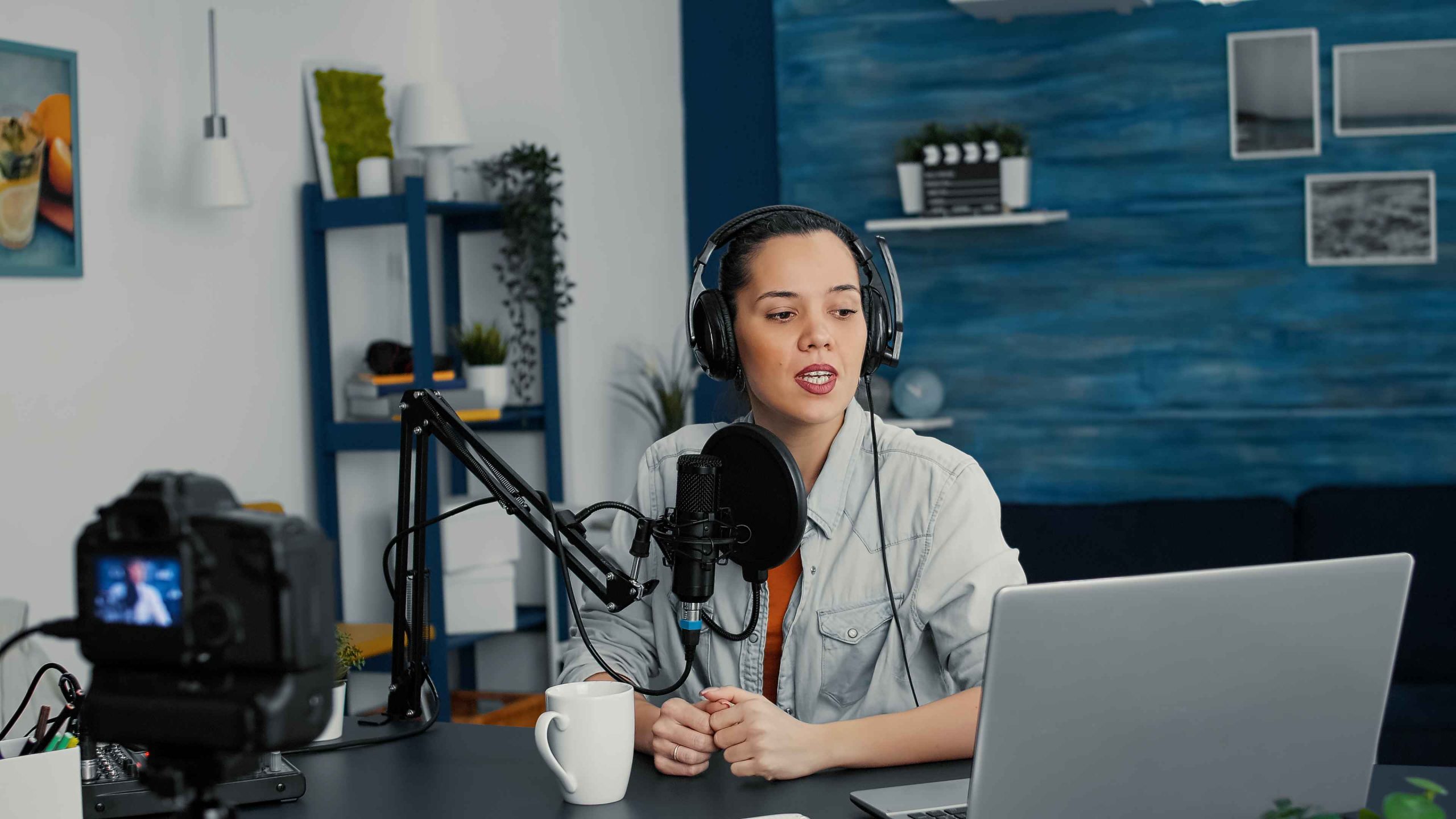
Video podcasts combine audio content with visual elements, making them suitable for platforms like YouTube, TikTok, Instagram Reels, and LinkedIn.
Pros of Video Podcasts:
-
Enhanced Engagement:
Viewers can see the host and guests, making conversations more personal and relatable. Visual cues like facial expressions, gestures, and reactions add depth. -
Better Discoverability:
Video podcasts benefit from YouTube SEO, social media algorithms, and short-form clips. This can significantly expand reach and attract new listeners. -
Opportunities for Branding and Visuals:
Video allows for branded graphics, lower-thirds, slides, and overlays to reinforce your message and podcast identity. -
Repurposing Potential:
Video content can be broken into short clips or highlight reels for social media, increasing exposure and engagement. -
Higher Perceived Value:
Visual content is often seen as more polished or premium, which can attract sponsors or advertisers.
Cons of Video Podcasts:
-
Higher Production Costs:
Video requires cameras, lighting, multiple angles, and video editing software. These resources can be expensive and time-consuming. -
More Time-Consuming:
Recording, editing, and producing video episodes take significantly longer than audio-only episodes. -
Limited Listener Flexibility:
Video requires attention. Listeners can’t consume content easily while driving, exercising, or performing other tasks. -
Technical Challenges:
Video introduces risks such as poor lighting, background distractions, camera framing issues, and file size management.
Choosing the Right Format
Deciding between audio-only and video podcasts depends on your goals, audience, and resources:
-
Choose audio-only if:
-
Your audience primarily listens on the go.
-
You want to keep production simple and cost-effective.
-
Your focus is storytelling, interviews, or discussions without visual elements.
-
-
Choose video podcasts if:
-
You want to grow your audience through YouTube and social media.
-
Visual elements, branding, or guest interactions are important.
-
You have resources for video production and editing.
-
Some podcasters also adopt a hybrid approach: record video but release both audio-only episodes on podcast platforms and video episodes on YouTube. This strategy maximizes reach across different audience preferences.
Conclusion
Both audio-only and video podcasts have their strengths and limitations. Audio podcasts offer convenience, simplicity, and portability, making them ideal for storytelling and frequent content release. Video podcasts, on the other hand, enhance engagement, expand discoverability, and provide branding opportunities but require more resources and time.
Ultimately, the choice depends on your goals, audience behavior, and production capacity. Many successful podcasters leverage both formats, repurposing video content into audio episodes to capture the best of both worlds. Understanding the pros and cons of each format ensures your podcast resonates with your audience and achieves maximum reach and impact.