AI Tools for Podcast Editing and Production:

Podcasting has become one of the most popular ways to share stories, insights, and knowledge with a global audience. However, producing a high-quality podcast can be time-consuming and technically challenging. From recording clear audio to editing out mistakes, balancing sound levels, and adding music or effects, traditional podcast production requires both skill and patience.
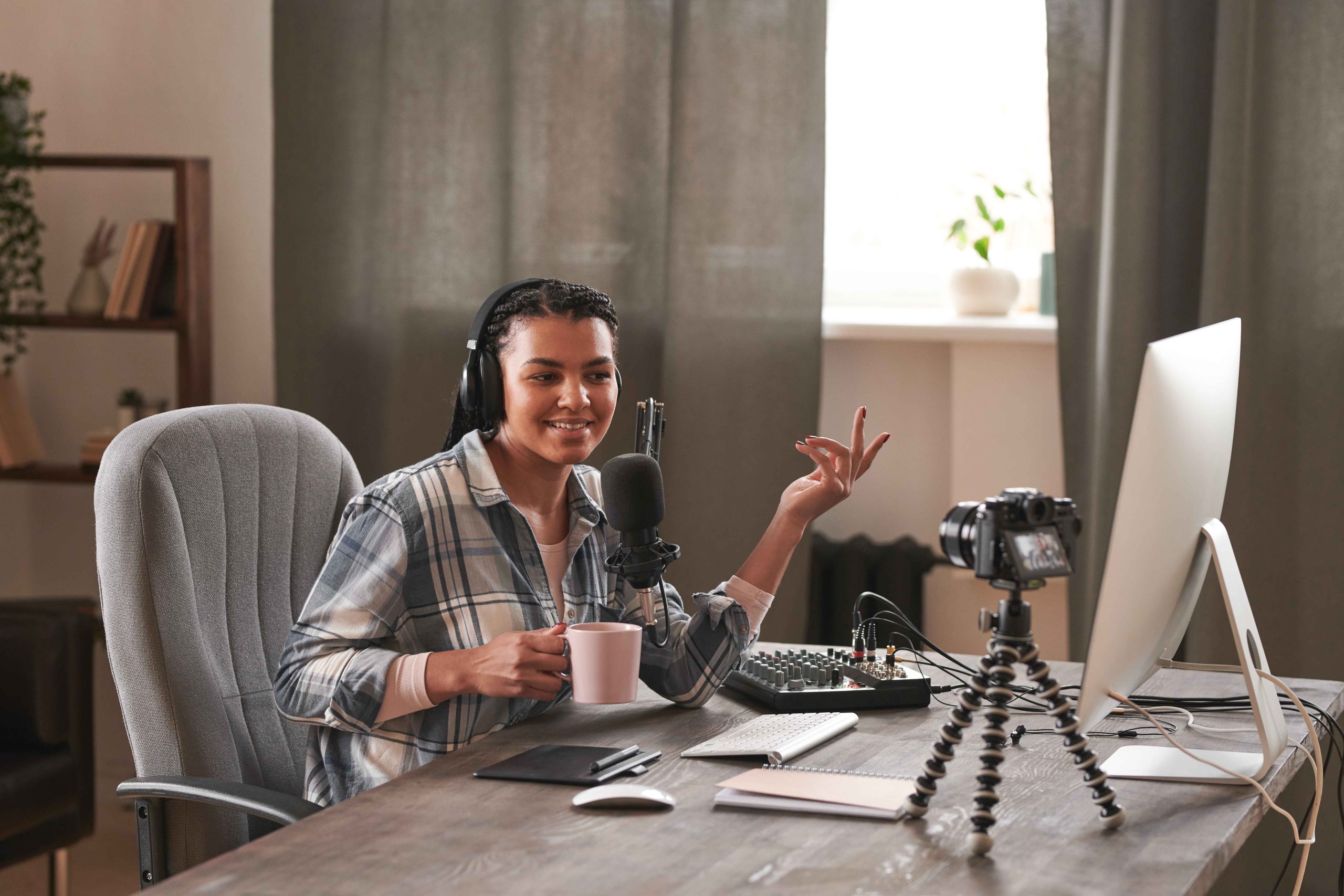
Fortunately, AI-powered tools are transforming podcast editing and production, making it faster, easier, and more professional than ever. These tools are democratizing podcasting, allowing beginners and seasoned creators alike to produce content that sounds polished and engaging. Companies like Work Space Junction take this a step further by providing professional Podcast Studio services, helping creators access high-quality equipment, expert guidance, and a streamlined production environment.
AI-Powered Editing
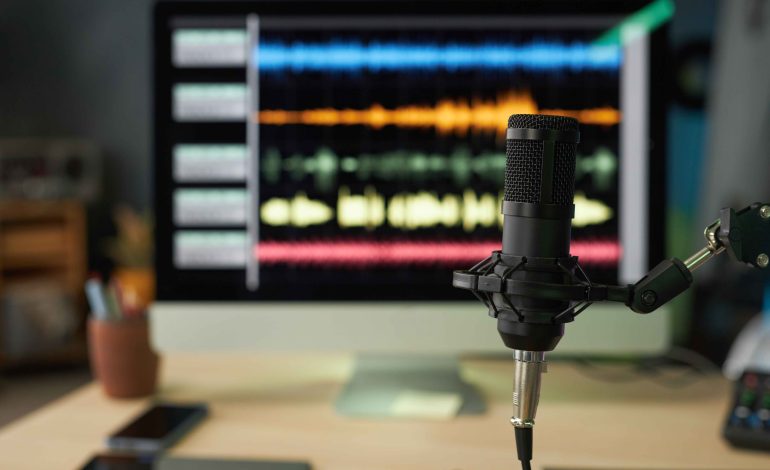
One of the most significant breakthroughs in podcast production is AI-powered editing. Tools like Descript, Adobe Podcast, and Podcastle allow creators to automatically transcribe episodes, remove filler words such as “um” or “uh,” and correct minor mistakes in audio.
For example, Descript’s “Overdub” feature can even replicate a host’s voice to fix small errors without re-recording entire segments. These AI-driven features save hours of manual editing while maintaining natural-sounding results.
Additionally, AI editing helps creators focus on storytelling and content quality rather than spending endless hours on post-production. This is particularly valuable for podcasters who produce frequent episodes or host long-form interviews.
Noise Reduction and Audio Enhancement
Good audio quality is critical for listener retention. Background noise, inconsistent volume, and echo can turn off even the most dedicated audience. AI tools like Auphonic and Krisp analyze audio automatically, reducing noise, normalizing volume levels, and enhancing clarity.
This means podcasters no longer need expensive soundproof studios or advanced audio engineering skills to produce professional-sounding episodes. AI ensures every listener hears crisp, clear, and balanced audio, no matter where the recording takes place.
Remote Recording and Collaboration
Podcasting often involves guests, co-hosts, or interviewees from different locations. AI-powered remote recording platforms like Riverside.fm, Zencastr, and SquadCast allow high-quality recordings with separate tracks for each participant. These platforms use AI to sync audio, reduce latency, and automatically back up recordings to the cloud.
This has made remote interviews seamless, enabling creators to bring in experts, celebrities, or niche voices from around the world without worrying about poor audio quality or logistical challenges.
Automated Transcription and Accessibility
AI transcription tools are also transforming podcast production. Services like Sonix, Otter.ai, and Rev can generate accurate transcripts of episodes in minutes.
Transcripts improve accessibility for listeners with hearing impairments and expand the reach of podcasts through text-based content. They also provide searchable content, which enhances discoverability on search engines. Some AI tools even allow editing directly from the transcript, simplifying the process of removing mistakes or restructuring episodes.
AI-Driven Sound Design
Adding background music, jingles, and effects is essential for creating engaging podcasts. AI tools like Podcastle, AIVA, and Endel can suggest and integrate soundscapes, music, or sound effects automatically based on the mood and pacing of the episode.
AI can even adjust volume levels, fade music in and out, and ensure that voice tracks remain prominent. This reduces the need for professional sound designers while still delivering a polished, immersive listening experience.
Analytics and Content Optimization
AI is not limited to production; it also helps with understanding audiences and optimizing content. Tools like Chartable and Anchor provide AI-driven insights into listener demographics, engagement, and episode performance.
Podcasters can identify which segments resonate most, optimize episode length, and tailor future content based on audience preferences. Some AI tools even suggest improvements for show titles, descriptions, and keywords to increase visibility and downloads.
Future Possibilities
The potential of AI in podcasting is only growing. Emerging technologies can generate realistic AI voices for narration, translate episodes into multiple languages, and even create entirely AI-hosted shows. While human creativity remains central, AI can handle repetitive, technical, or time-consuming tasks, allowing podcasters to focus on content, storytelling, and audience engagement.
Conclusion
AI tools are reshaping podcast editing and production, making professional-quality content accessible to everyone. From automated editing and transcription to noise reduction, remote recording, and intelligent sound design, these tools streamline workflows and save time without compromising quality.
For aspiring and experienced podcasters alike, AI is not a replacement for creativity — it’s a powerful partner that helps bring ideas to life more efficiently, expand reach, and create an exceptional listening experience. As AI technology continues to evolve, the future of podcasting promises even more opportunities for innovation, storytelling, and global connection.