What You Need to Start a Podcast in 2026:

Podcasting continues to grow in popularity, with millions of listeners worldwide tuning in daily for education, entertainment, and inspiration. If you’re considering starting a podcast in 2026, the landscape offers more tools, platforms, and opportunities than ever before. However, launching a successful podcast requires careful planning, the right equipment, and a strategic approach.
Here’s a comprehensive guide on what you need to start a podcast in 2026.
1. Define Your Podcast Concept
Before recording, clarify your podcast’s purpose and niche.
Considerations:
-
Topic: Choose a subject you’re passionate about and knowledgeable in. Popular categories in 2026 include business growth, AI, wellness, entertainment, and personal development.
-
Format: Decide whether it will be interviews, solo episodes, storytelling, or panel discussions.
-
Target Audience: Identify who your listeners are, their interests, and what value your podcast provides.
-
Episode Length: Plan a consistent duration. Short episodes (15–25 minutes) work well for busy listeners, while long-form episodes (40–60 minutes) suit in-depth discussions.
Benefit: A clear concept keeps your podcast focused, consistent, and appealing to your ideal audience.
2. Essential Podcast Equipment
While podcasting technology continues to advance, good audio quality remains crucial.
Basic equipment includes:
-
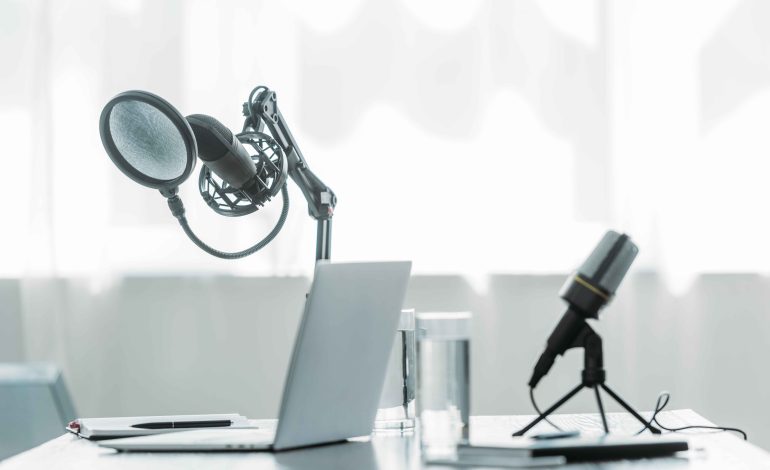
Microphone: A USB microphone like the Shure MV7 or a condenser XLR mic with an audio interface ensures clear sound.
-
Headphones: Closed-back headphones help monitor audio during recording.
-
Pop Filter and Boom Arm: Reduces plosives and keeps your microphone positioned correctly.
-
Camera (Optional for Video Podcasts): Smartphones, webcams, or DSLRs can be used for video podcasts.
-
Lighting (for video): Ring lights or softboxes create professional visuals.
Benefit: Quality equipment sets your podcast apart and makes it easier for listeners to engage.
3. Recording and Editing Software
Choosing the right software is essential for producing professional episodes:
-
Audio Recording: Audacity (free), Adobe Audition, or GarageBand.
-
Video Recording (Optional): OBS Studio, Riverside.fm, or Zoom for remote interviews.
-
Editing: Editing software allows you to remove mistakes, add intro/outro music, and improve audio clarity.
Tip: Test your setup before recording your first episode to avoid technical issues.
Benefit: Professional-quality audio and video improve listener experience and encourage subscriptions.
4. Hosting and Distribution
A reliable podcast host stores your files and distributes them to directories:
-
Popular hosts include Buzzsprout, Podbean, Anchor, and Libsyn.
-
Submit your podcast to directories like Spotify, Apple Podcasts, Google Podcasts, and Amazon Music.
-
Consider video hosting for platforms like YouTube if producing a video podcast.
Benefit: Hosting ensures your podcast is accessible to listeners across platforms and maintains consistent availability.
5. Branding Your Podcast
Strong branding helps your podcast stand out in a crowded market:
-
Podcast Name: Choose a name that is memorable, searchable, and reflects your topic.
-
Logo and Cover Art: Eye-catching visuals attract listeners on directories.
-
Intro/Outro Music: Consistent audio branding sets the tone for each episode.
-
Style Guide: Maintain consistent fonts, colors, and visuals across platforms.
Benefit: Professional branding increases recognition, credibility, and listener loyalty.
6. Content Planning
Consistency is key to growing an audience:
-
Episode Schedule: Decide on weekly, biweekly, or monthly releases.
-
Outline Topics: Prepare talking points, interview questions, or scripts.
-
Batch Recording: Recording multiple episodes at once can save time and maintain consistency.
Benefit: Planning ensures you deliver high-quality, regular content that keeps listeners coming back.
7. Marketing and Promotion
Launching a podcast is just the start; promotion grows your audience:
-
Social Media: Share clips, audiograms, or quotes on platforms like Instagram, TikTok, and LinkedIn.
-
Email Newsletter: Notify subscribers of new episodes and exclusive content.
-
Collaborations: Invite guests with their own audiences to expand reach.
-
SEO Optimization: Use relevant keywords in titles, descriptions, and tags.
Benefit: Effective promotion attracts listeners, builds community, and boosts long-term growth.
8. Analytics and Feedback
Monitoring performance helps refine your strategy:
-
Track downloads, listener demographics, and retention rates.
-
Use feedback from reviews or social media to improve content.
-
Experiment with episode length, format, and topics based on analytics.
Benefit: Understanding your audience ensures your podcast remains relevant and engaging.
Conclusion
Starting a podcast in 2026 requires more than just recording audio. Success comes from planning, quality production, consistent branding, distribution, promotion, and audience engagement. With the right equipment, software, and strategy, anyone can launch a podcast that attracts listeners, builds credibility, and grows a community.
Podcasting continues to evolve, but by focusing on content, quality, and connection, you can start strong and position your show for long-term success. Whether audio-only or video, your 2026 podcast has the potential to reach a global audience—starting with careful preparation and strategic execution.