What a Professional Podcast Studio Setup Includes:

Creating a professional podcast goes beyond just speaking into a microphone. The right studio setup ensures your audio is clear, consistent, and engaging, helping your podcast stand out in a crowded market. Whether you’re building a home studio or a dedicated recording space, understanding the key elements of a professional podcast studio setup is essential.
1. Microphones: The Heart of Your Studio
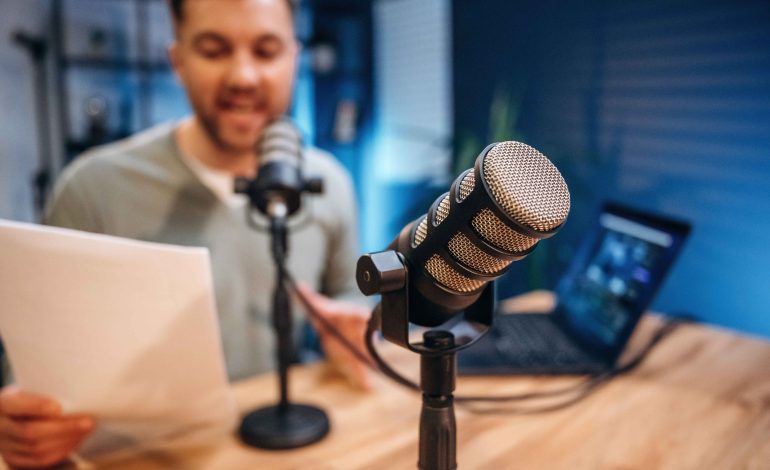
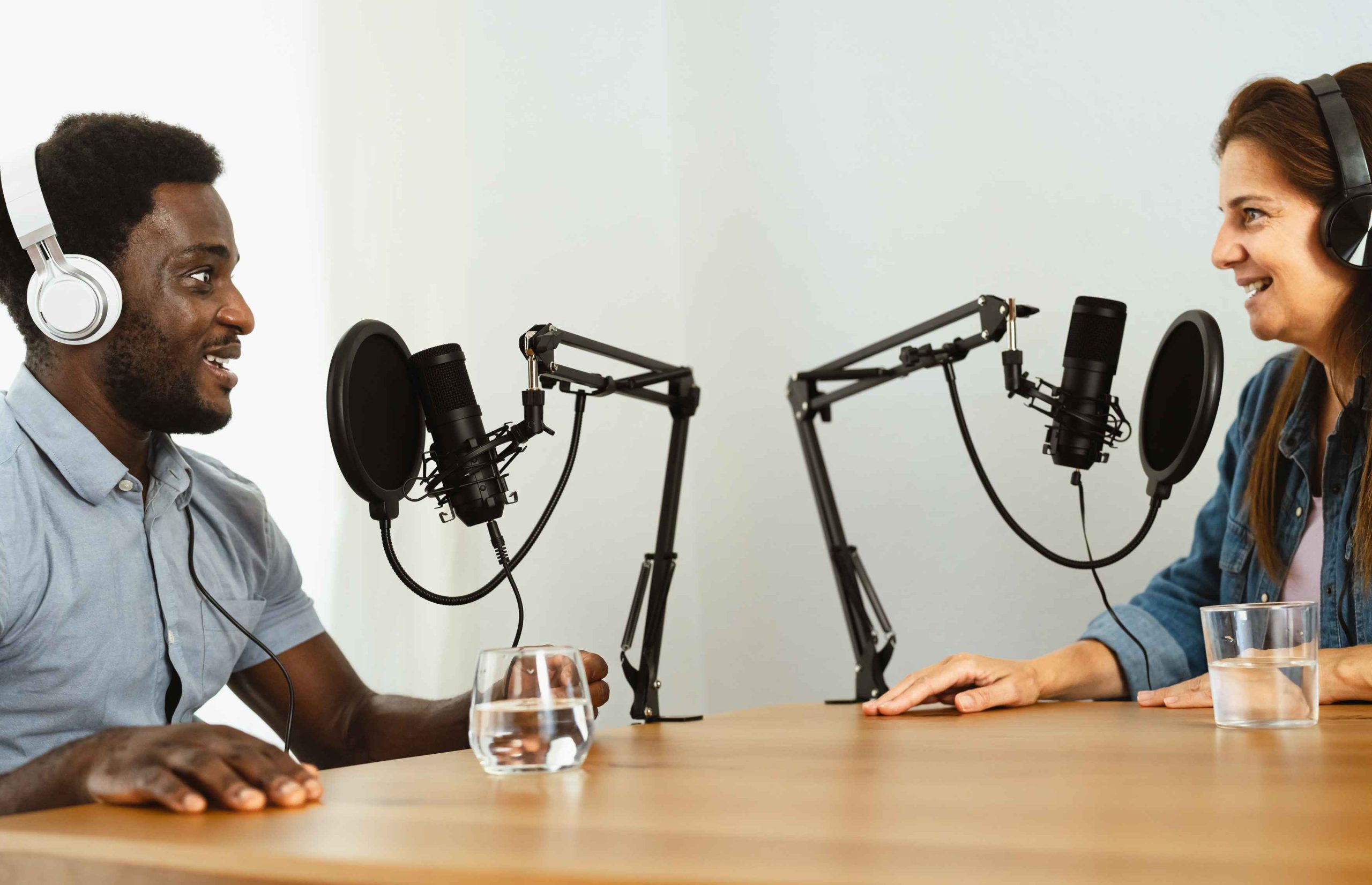
The microphone is the centerpiece of any podcast studio. A high-quality mic captures your voice accurately, reducing the need for extensive editing and post-processing.
Options:
-
Dynamic microphones: Durable and excellent at rejecting background noise. Ideal for untreated rooms or multi-host setups. Popular choices: Shure SM7B, Audio-Technica AT2040, Shure MV7.
-
Condenser microphones: Highly sensitive and capture detailed vocals, best for treated studio spaces. Popular choices: Audio-Technica AT2035, AKG P420, Neumann U87 Ai.
Tips:
-
Use a pop filter to minimize plosives.
-
Mount your mic on a boom arm for flexibility and consistent placement.
2. Audio Interface or Mixer
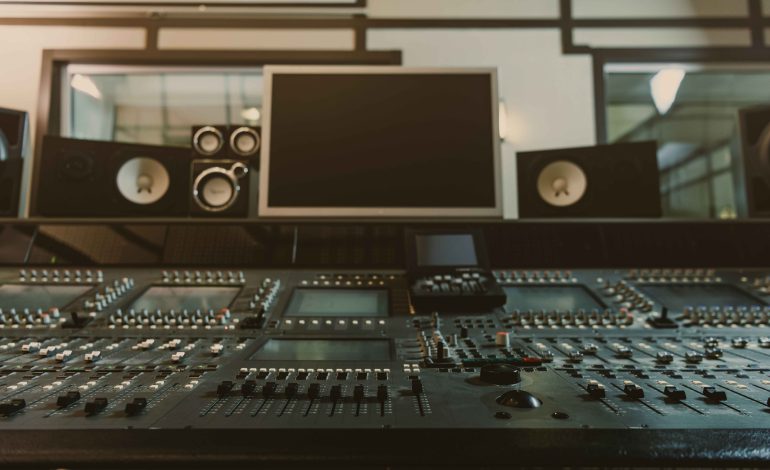
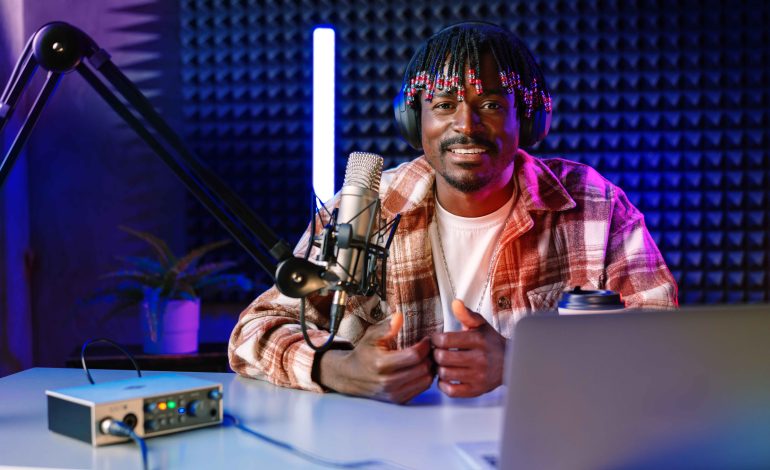
Most professional microphones, especially XLR mics, require an audio interface or mixer to connect to your computer. These devices convert analog signals into digital audio and allow you to control levels, monitor sound, and add effects.
Key features:
-
Phantom power for condenser microphones (+48V).
-
Multiple inputs for co-hosts or guests.
-
Gain and EQ control for clean, balanced audio.
Popular options:
-
Focusrite Scarlett 2i2 – beginner-friendly, reliable.
-
Zoom PodTrak P4 – designed specifically for podcasters.
-
Rodecaster Pro II – combines mixer, recorder, and effects in one unit.
3. Headphones for Monitoring
Professional headphones allow you to monitor your audio in real-time and catch issues before recording.
Recommended features:
-
Closed-back design to prevent sound leakage.
-
Flat frequency response for accurate monitoring.
-
Comfort for long recording sessions.
Popular choices:
-
Audio-Technica ATH-M50x
-
Sony MDR-7506
-
Beyerdynamic DT 770 Pro
4. Acoustic Treatment
Even the best microphone won’t sound professional in a room with echo or background noise. Acoustic treatment reduces reflections and creates a clean recording environment.
Key elements:
-
Foam panels on walls to absorb sound.
-
Bass traps in corners to manage low frequencies.
-
Carpets, curtains, and rugs to reduce echo from hard surfaces.
-
Diffusers to scatter sound evenly.
Tip: DIY solutions like bookshelves and heavy curtains can also help if you’re on a budget.
5. Recording and Editing Software
A professional podcast studio relies on digital audio workstation (DAW) software to capture, edit, and enhance recordings.
Popular DAWs for podcasters:
-
Audacity – free, simple, and effective for beginners.
-
Adobe Audition – professional-grade audio editing and mixing.
-
Reaper – flexible, lightweight, and customizable.
Tips:
-
Record in uncompressed formats (WAV or AIFF) for the best quality.
-
Use plugins for noise reduction, compression, and EQ to polish your audio.
6. Additional Accessories
Small but essential accessories make a big difference in a studio:
-
Mic stands or boom arms – for flexible positioning.
-
Shock mounts – reduce vibrations and handling noise.
-
Pop filters or wind screens – minimize plosives and sibilance.
-
Cables and connectors – high-quality XLR or USB cables prevent interference.
7. Studio Lighting and Video (Optional)
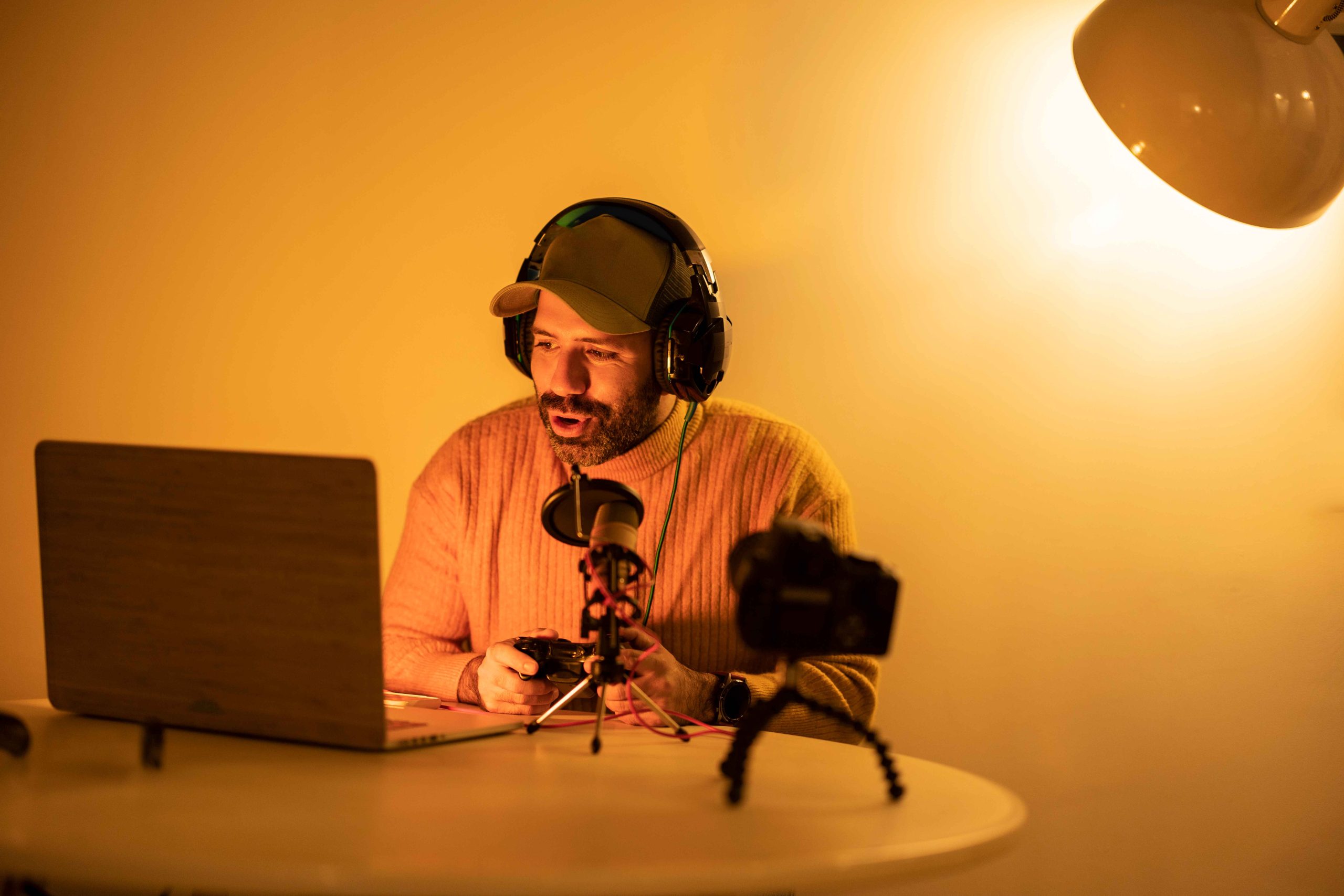
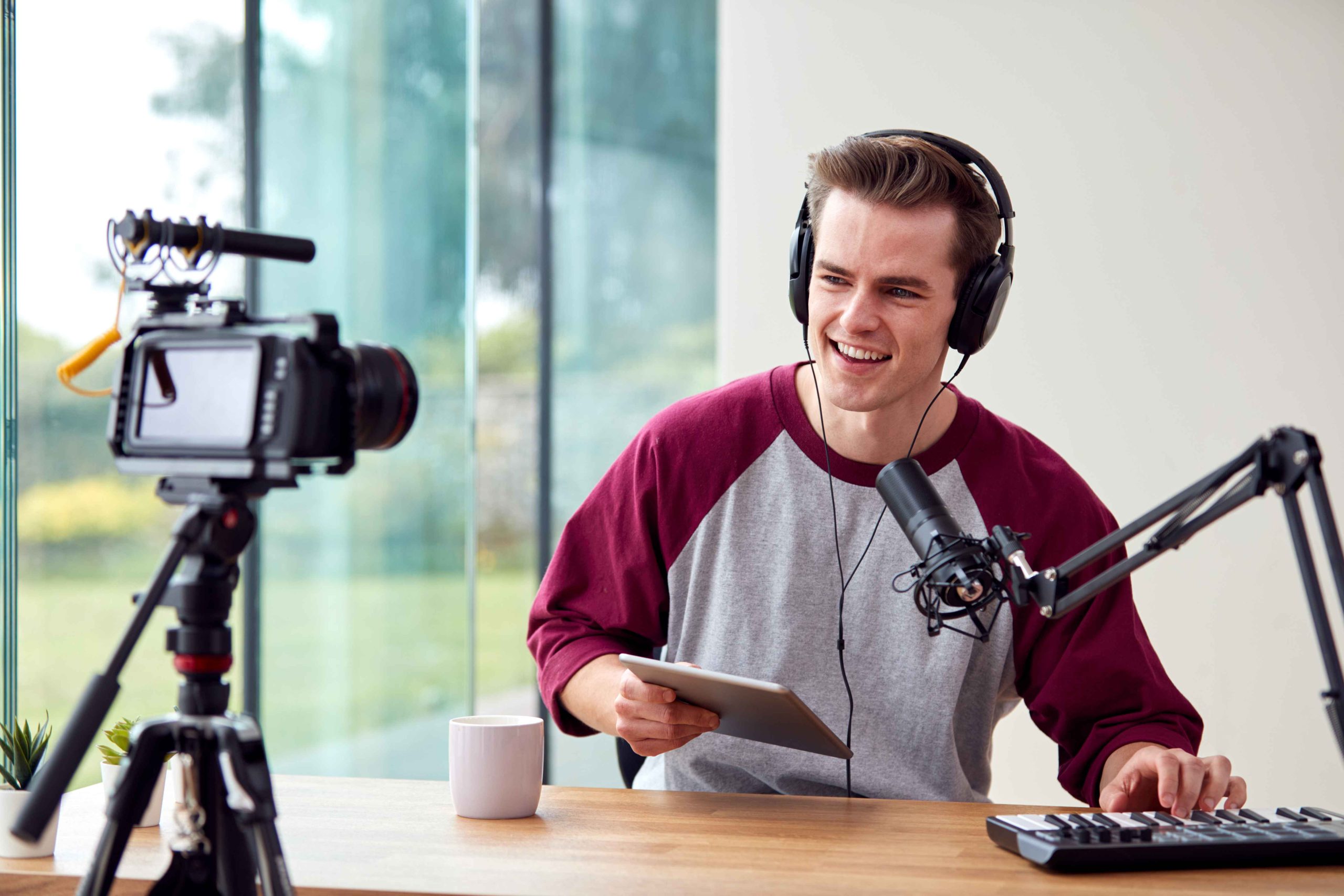
If you plan to record video podcasts, proper lighting is key.
Tips:
-
Use softbox lights or ring lights for even, flattering illumination.
-
Ensure the background is clean and visually appealing.
-
Match lighting with your camera settings to prevent shadows or color inconsistencies.
8. Comfortable Recording Environment
A professional studio isn’t just about equipment — it’s also about comfort and workflow.
Considerations:
-
Ergonomic chairs and adjustable desks for long recording sessions.
-
Organized cable management to avoid clutter.
-
Temperature control and ventilation to maintain focus and comfort.
9. Backup and Storage Solutions
Professional podcasters always plan for the unexpected.
Essentials:
-
External hard drives or cloud storage for recordings.
-
Backup audio recording systems in case of equipment failure.
-
Regular file organization and labeling for easy access during editing.
Conclusion
A professional podcast studio setup goes beyond a microphone and laptop. From dynamic or condenser microphones, audio interfaces, and headphones to acoustic treatment, recording software, and comfortable workspace, each component contributes to clear, engaging, and consistent audio quality.
Investing in the right studio equipment, combined with proper setup and workflow, ensures your podcast sounds professional and keeps your listeners coming back. Whether you’re recording solo or hosting interviews, a thoughtfully designed studio will elevate your show, making it stand out in 2026 and beyond.