
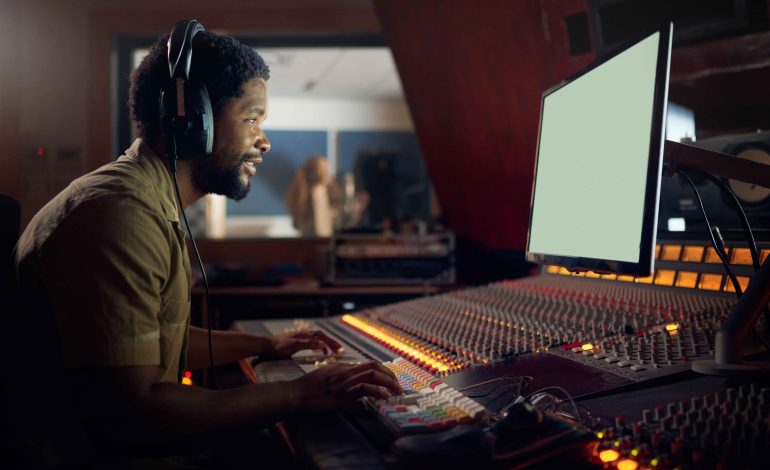
How Professional Mastering Improves Listener Experience:

In podcasting, content is king—but audio quality is the crown that keeps your audience engaged. Even compelling content can be undermined by inconsistent volume, muddled vocals, or distracting background noise. That’s where professional mastering comes in. While many podcasters focus on recording and basic editing, mastering is the final step that ensures every episode delivers a polished, enjoyable, and consistent listening experience.
1. What Is Professional Mastering?
Professional mastering is the final stage of audio post-production. It involves taking your mixed podcast track and applying adjustments to make it sound consistent, balanced, and professional across all playback devices. Unlike mixing, which focuses on individual tracks, mastering works on the entire episode as a single audio file.
Key objectives of mastering include:
-
Adjusting overall loudness to meet industry standards.
-
Enhancing clarity and tonal balance.
-
Ensuring consistency across episodes.
-
Preparing the audio for distribution on platforms like Spotify, Apple Podcasts, and Google Podcasts.
Mastering is essentially the difference between a podcast that simply works and one that feels professional and effortless to listen to.
2. Consistent Volume for Comfortable Listening
One of the biggest frustrations for podcast listeners is uneven volume. Without mastering, listeners may experience:
-
Sudden jumps in loudness between speakers.
-
Quiet sections that are difficult to hear.
-
Music or sound effects overpowering dialogue.
Professional mastering applies compression and normalization to smooth out these inconsistencies. This means your listeners can enjoy your episode without constantly adjusting the volume. Consistent loudness makes your podcast easier to consume, keeping listeners engaged from start to finish.
3. Improved Clarity and Vocal Presence
Mastering also enhances the clarity of voices, ensuring your hosts and guests sound natural and crisp.
-
EQ adjustments can brighten vocals, remove muddiness, and reduce harsh frequencies.
-
De-essing minimizes distracting sibilant sounds like “s” and “sh.”
-
Subtle compression makes quieter words more audible without distorting louder speech.
The result is dialogue that pops through headphones or speakers, making your message clear and easy to understand—an essential factor for retaining listeners.
4. Consistency Across Devices
Podcasts are consumed on a variety of devices—from headphones and Bluetooth speakers to car stereos and smart speakers. Professional mastering ensures your audio sounds consistent across all devices.
-
Balances tonal frequencies so voices remain intelligible on small speakers.
-
Adjusts stereo imaging to avoid phasing issues.
-
Controls dynamic range to prevent distortion on mobile devices.
By mastering your episodes professionally, you protect your audience from poor listening experiences, no matter how they tune in.
5. Smooth Integration of Music and Effects
Many podcasts include intro/outro music, stingers, or sound effects. Without mastering, these elements may clash with dialogue or be too loud/quiet.
-
Mastering ensures music and effects sit naturally in the mix.
-
It maintains consistent volume levels throughout the episode.
-
Enhances transitions so episodes feel polished and engaging.
Professional mastering transforms your episode from a simple conversation into a high-quality production experience.
6. Builds Credibility and Listener Trust
Listeners subconsciously associate audio quality with professionalism. Poorly mastered episodes can feel amateurish, even if the content is excellent. Professional mastering communicates:
-
You value your audience’s experience.
-
Your show is consistent and reliable.
-
You are serious about producing high-quality content.
High-quality, polished audio helps retain loyal listeners and can even attract sponsors, guests, and media opportunities.
7. Saves Time and Reduces Stress
Mastering also streamlines your workflow. Instead of manually adjusting volumes, EQ, or levels on every episode, a professional mastering engineer can apply consistent settings that ensure every episode meets your standards. This saves time in editing and reduces the likelihood of listener complaints about audio quality.
Conclusion
Professional mastering is more than a technical step—it’s a critical factor in the listener experience. By ensuring consistent volume, clear and natural vocals, balanced music and effects, and device-independent audio quality, mastering elevates your podcast from good to professional.
Listeners are more likely to stay engaged, finish episodes, and return for more when the audio is polished and enjoyable. In a competitive podcasting landscape, professional mastering is an investment in credibility, listener satisfaction, and long-term growth.
Mastering isn’t just about sound—it’s about ensuring your audience hears your content in the best possible way, creating a seamless, professional, and enjoyable listening experience every time.