Home Studio vs Professional Studio Recording:

Podcasting has become a mainstream medium, and audio quality is one of the first things listeners notice. Whether you record in a home studio or a professional studio, the environment you choose affects clarity, consistency, and overall production value. Both setups have their pros and cons, and understanding these differences can help you choose the right approach for your podcast goals.
1. Home Studio Recording
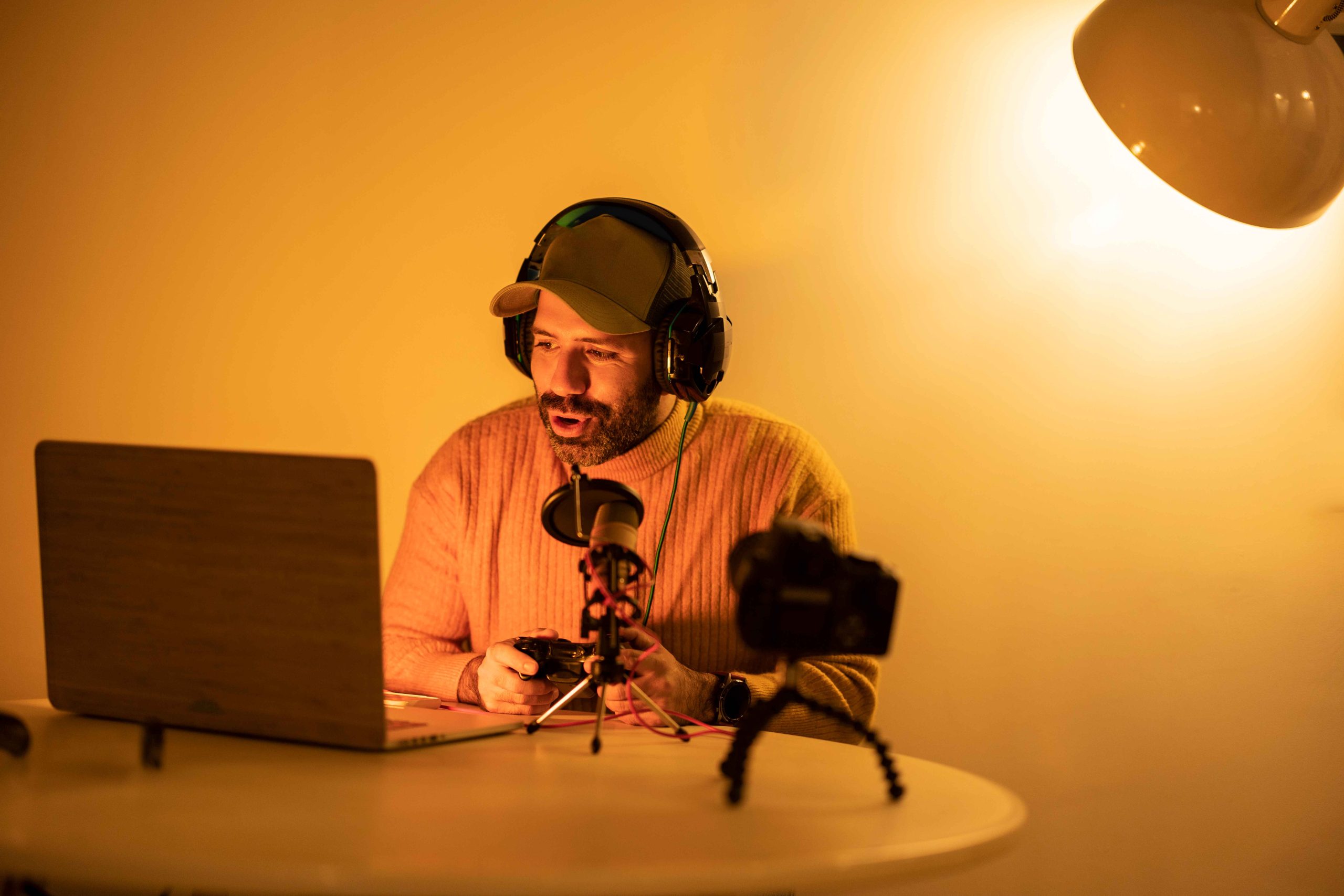
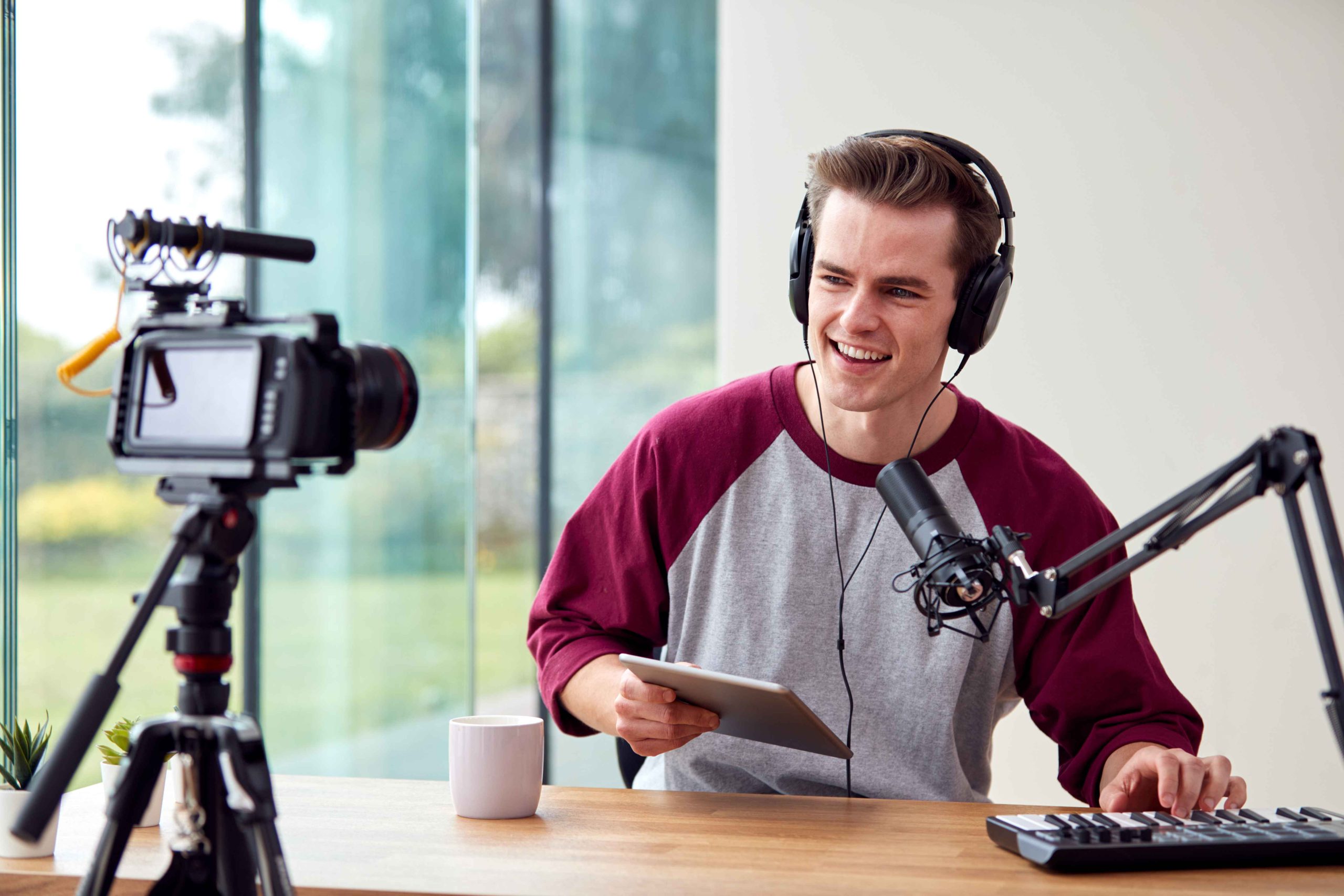
A home studio is ideal for podcasters who want convenience, flexibility, and affordability. With modern technology, even a small home setup can produce high-quality audio that rivals professional studios — if done correctly.
Advantages of a home studio:
-
Cost-effective: You don’t pay hourly studio rates. Initial investment in microphones, headphones, and audio interfaces can range from $100 to $500 for beginner setups.
-
Flexible schedule: Record anytime without booking constraints.
-
Creative control: You decide the workflow, editing style, and environment.
Essential components for a home studio:
-
Microphone: Dynamic mics like the Shure SM7B or USB mics like the Blue Yeti are popular for home setups.
-
Audio Interface: Devices like the Focusrite Scarlett 2i2 convert analog sound to digital and control levels.
-
Headphones: Closed-back headphones such as Audio-Technica ATH-M50x help monitor your audio in real-time.
-
Acoustic Treatment: Foam panels, rugs, and curtains can reduce echo and room noise.
-
Recording Software: DAWs like Audacity or Adobe Audition allow recording, editing, and post-processing.
Challenges of home studios:
-
Acoustic limitations: Home rooms are often not acoustically treated, which can result in echo or background noise.
-
Distractions: Household noise or interruptions can disrupt recording sessions.
-
Equipment limitations: Home podcasters may lack high-end preamps or professional mixers, slightly affecting sound quality.
Best for: Solo podcasters, hobbyists, and those with limited budgets who want flexibility without sacrificing sound quality.
2. Professional Studio Recording
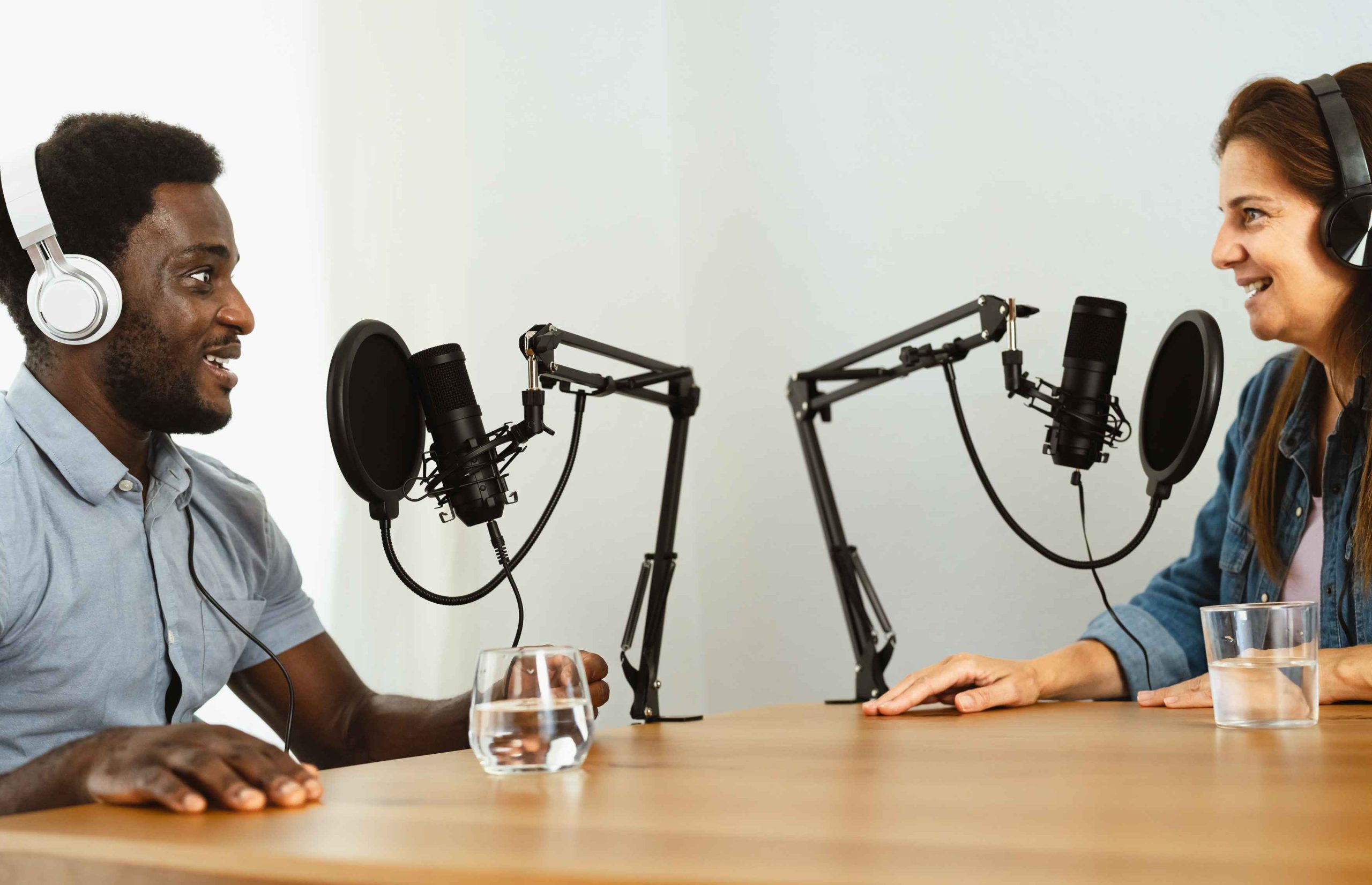
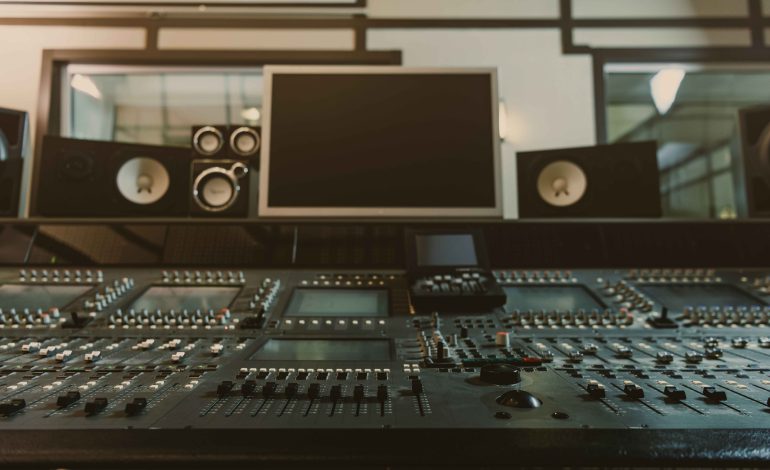
A professional studio offers a controlled environment optimized for high-quality audio. These studios are often used by broadcasters, voiceover artists, and podcasters aiming for premium production value.
Advantages of professional studios:
-
Superior acoustics: Professionally treated rooms reduce reflections, echo, and unwanted background noise.
-
High-end equipment: Condenser and dynamic microphones, studio-grade audio interfaces, mixers, compressors, and soundboards deliver rich, polished audio.
-
Technical support: Sound engineers can assist with setup, monitoring, and post-production, ensuring consistent quality.
-
Environment control: Studios are designed to minimize distractions and provide comfortable, ergonomic recording conditions.
Challenges of professional studios:
-
Cost: Hourly rates can range from $50 to $200+, making it expensive for frequent recordings.
-
Scheduling: You must book sessions in advance, which can limit flexibility.
-
Less control: Some podcasters prefer hands-on setup and editing, which may not always be possible.
Best for: Multi-host podcasts, interviews with guests, high-stakes productions, and creators looking to produce polished, broadcast-quality audio.
3. Key Differences Between Home and Professional Studios
| Feature | Home Studio | Professional Studio |
|---|---|---|
| Cost | Low to medium | High |
| Acoustics | Dependent on DIY treatment | Professionally treated |
| Equipment | Entry-to-mid range | High-end, broadcast-grade |
| Flexibility | High, record anytime | Limited by booking schedule |
| Support | DIY | Technical support available |
| Convenience | Maximum | Travel to studio required |
| Sound Quality | Good to excellent with proper setup | Excellent to broadcast-level |
4. Making the Right Choice
The decision between a home or professional studio depends on your goals, budget, and recording needs:
-
If you’re starting out: A home studio is practical. Invest in a quality microphone, headphones, and basic acoustic treatment. It offers flexibility while producing professional-sounding audio if used properly.
-
If your podcast requires high production value: A professional studio ensures superior audio quality and consistency, especially for interviews or multi-person recordings.
-
Hybrid approach: Many podcasters record at home but occasionally use a professional studio for high-profile episodes, music integration, or video podcasts.
5. Tips for Home Studio Success
Even if you opt for a home setup, you can achieve professional results with the following strategies:
-
Invest in a good microphone – dynamic mics often perform better in untreated rooms.
-
Treat your space acoustically – rugs, curtains, and foam panels reduce echo.
-
Use a pop filter and shock mount to improve vocal clarity.
-
Monitor audio in real-time using headphones to catch issues early.
-
Edit carefully – post-processing in a DAW can remove noise, balance levels, and enhance vocal tone.
Conclusion
Both home and professional studios have their advantages. Home studios offer flexibility and affordability, making them ideal for beginner or solo podcasters. Professional studios provide a controlled environment, high-end equipment, and technical support, ensuring broadcast-quality audio for serious creators.
Ultimately, the best choice depends on your budget, production goals, and recording needs. Many podcasters succeed with home studios, while others invest in professional setups for critical episodes. Regardless of your setup, proper equipment, acoustic treatment, and attention to detail are the keys to producing high-quality podcasts in 2026 and beyond.