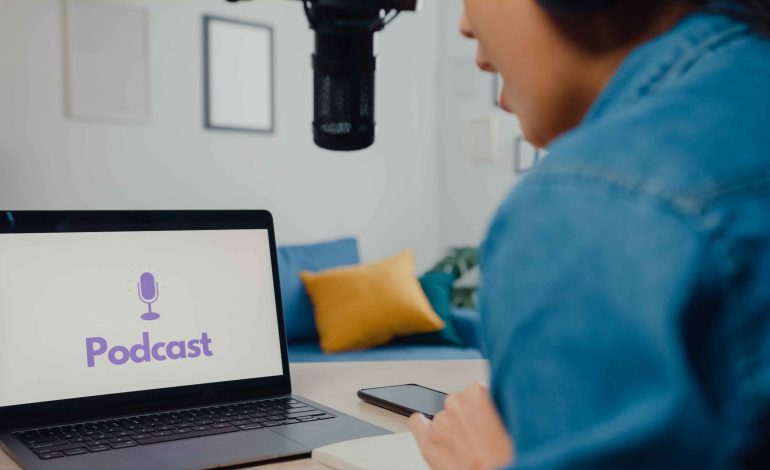

From Recording to Publishing: The Podcast Workflow:

Podcasting has become one of the most effective ways to share knowledge, stories, and ideas with a global audience. However, producing a professional podcast requires more than just hitting the record button. From recording to publishing, each stage of the podcast workflow plays a critical role in ensuring high-quality audio, engaging content, and consistent distribution. Understanding the full workflow helps podcasters streamline production, save time, and deliver a polished final product to their listeners.
1. Planning Your Episode
Every successful podcast begins with pre-production planning. This stage sets the foundation for recording and ensures the episode stays focused and engaging.
Key steps include:
-
Choosing a topic: Align content with your audience’s interests and the podcast’s niche.
-
Researching and scripting: Outline key points, questions, and talking points.
-
Booking guests: Coordinate with interviewees and provide them with preparation materials.
-
Deciding the format: Determine whether it will be a solo episode, co-hosted, or an interview format.
Planning reduces the likelihood of tangents, filler content, or awkward pauses during recording.
2. Recording the Episode
Recording is the foundation of your podcast’s quality. Proper setup ensures clean, professional audio:
-
Equipment: Use a quality microphone, headphones, and an audio interface if needed.
-
Environment: Record in a quiet, controlled space to reduce background noise.
-
Mic technique: Maintain consistent distance from the microphone to ensure even volume.
-
Recording software: Use reliable software such as Audacity, Adobe Audition, or Zoom (for remote interviews).
For video podcasts, consider lighting, framing, and camera quality to complement the audio.
3. Editing and Post-Production
After recording, editing transforms raw audio into a polished, listener-ready episode. This stage includes:
-
Cleaning audio: Remove background noise, stutters, and filler words.
-
Balancing levels: Ensure consistent volume for hosts, guests, and music.
-
Enhancing clarity: Use EQ, compression, and de-essing to make voices sound natural.
-
Adding music and effects: Include intro/outro music, stingers, or transitions.
-
Video editing (if applicable): Sync video, add captions, graphics, and trim visuals for social media or YouTube.
Editing is crucial to create a smooth, engaging episode that holds listeners’ attention from start to finish.
4. Mastering the Episode
Mastering is the final audio polish before distribution. It ensures consistency and professional quality across all devices:
-
Adjust overall loudness to meet industry standards (typically around -16 LUFS for stereo).
-
Apply final EQ tweaks for tonal balance.
-
Use limiting to prevent clipping and maintain consistent volume.
-
Ensure mono and stereo compatibility for different playback devices.
Mastering elevates your podcast, making it sound clean, professional, and consistent across episodes.
5. Creating Episode Assets
Before publishing, prepare assets that help promote and distribute your podcast:
-
Show notes: Summarize the episode, include key points, guest bios, and links.
-
Episode title and description: Optimize for search and clarity.
-
Thumbnails or cover art: Essential for video podcasts and social media promotion.
-
Timestamps: Provide a guide for listeners to navigate the episode easily.
Proper assets improve discoverability, engagement, and user experience.
6. Publishing and Distribution
Once your episode is ready, it needs to be distributed to your audience through podcast platforms:
-
Podcast hosting: Upload to a reliable host (Libsyn, Podbean, Anchor, etc.) to generate an RSS feed.
-
Directory submission: Submit to Apple Podcasts, Spotify, Google Podcasts, and other platforms.
-
Video upload (if applicable): Publish on YouTube and social media platforms for wider reach.
-
Scheduling: Decide on release frequency and consistent publishing days to build audience expectations.
Proper distribution ensures your podcast reaches listeners wherever they consume content.
7. Promotion and Engagement
Publishing is not the end—promotion is key to grow your audience:
-
Share clips and highlights on social media.
-
Engage with your audience through comments, emails, or live Q&A sessions.
-
Encourage listeners to subscribe, leave reviews, and share episodes.
-
Collaborate with guests or other podcasters to expand reach.
Consistent promotion increases visibility, attracts new listeners, and strengthens your podcast brand.
Conclusion
From recording to publishing, every stage in the podcast workflow is essential for creating professional, engaging content. Proper planning, quality recording, careful editing, professional mastering, thoughtful asset creation, strategic publishing, and active promotion all contribute to the success of your show.
By understanding and following a structured workflow, podcasters can streamline production, maintain consistency, and deliver episodes that captivate and retain listeners. Podcasting is both an art and a process, and mastering each step ensures that your content not only reaches your audience but also leaves a lasting impression.