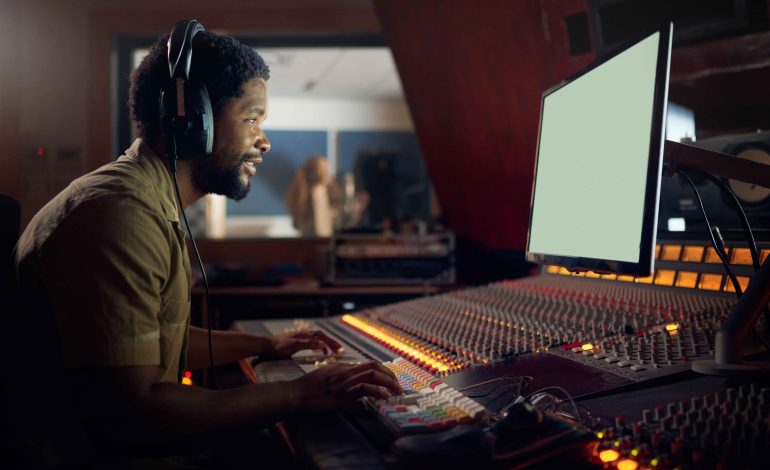

Podcast Mixing vs Mastering Explained:

Producing a podcast goes far beyond hitting the record button. After recording, the audio must be refined and polished to ensure it’s clear, balanced, and professional. Two critical steps in this process are mixing and mastering. While often confused, they serve distinct purposes in podcast production. Understanding the difference between mixing and mastering is essential for podcasters aiming for high-quality audio that captivates listeners and maintains consistency across episodes.
1. What is Podcast Mixing?
Mixing is the stage where all audio elements of your podcast—voices, music, sound effects, and ambient sounds—are balanced and blended into a cohesive track. It’s about making sure every component sounds clear and harmonious while maintaining a natural flow.
Key elements of mixing include:
-
Volume balancing: Ensuring all speakers and audio elements are at consistent levels so that no one overpowers another.
-
EQ (Equalization): Adjusting frequencies to enhance clarity and warmth. For instance, boosting mid-range frequencies can make speech more intelligible.
-
Compression: Reducing the dynamic range to make quiet parts louder and loud parts softer, creating a consistent listening experience.
-
Noise reduction: Removing hums, clicks, or background sounds that distract listeners.
-
Panning: In multi-person podcasts, adjusting stereo placement slightly can create a sense of space.
Purpose: Mixing ensures that all individual audio tracks blend smoothly and sound professional. It’s the foundation for a podcast episode that’s enjoyable and easy to listen to.
2. What is Podcast Mastering?
Mastering is the final step in post-production. After the mix is complete, mastering applies finishing touches to make the episode polished, loud enough, and ready for distribution. It ensures the podcast sounds professional across all devices, from headphones to car speakers.
Key elements of mastering include:
-
Overall loudness adjustment: Ensuring the episode meets industry standards for volume (typically around -16 LUFS for stereo podcasts).
-
Final EQ tweaks: Slight adjustments to enhance tonal balance.
-
Limiting: Prevents audio peaks from clipping, maintaining consistent volume without distortion.
-
Stereo enhancement or mono compatibility: Ensures the podcast sounds good whether played in mono or stereo.
-
Final noise polishing: Catching any remaining hums or hiss that were missed during mixing.
Purpose: Mastering ensures the final episode is consistent, professional, and ready for distribution across platforms like Spotify, Apple Podcasts, and Google Podcasts. It’s the last step before listeners hear your work.
3. Mixing vs Mastering: Key Differences
| Feature | Mixing | Mastering |
|---|---|---|
| Goal | Balance and blend individual tracks | Polish final stereo track for distribution |
| Scope | Individual audio tracks (vocals, music, effects) | Entire episode as a single file |
| Tools | EQ, compression, noise reduction, panning | Limiting, final EQ, loudness adjustment, stereo enhancement |
| When it happens | After recording but before mastering | After mixing is complete |
| Focus | Clarity, balance, and natural sound | Consistency, loudness, and final polish |
Summary: Mixing is about getting all the pieces to fit together well, while mastering is about making the finished episode sound its best in any listening environment.
4. Why Both Are Important
Skipping either stage can compromise audio quality:
-
Without proper mixing: Your podcast may have uneven speaker levels, muffled voices, or overwhelming music and effects. This can make listening tiring and reduce audience retention.
-
Without mastering: Even a well-mixed episode may sound too quiet, inconsistent across platforms, or harsh on some devices, affecting professionalism and listener experience.
Together, mixing and mastering ensure your podcast is clear, engaging, and ready for listeners across all platforms.
5. Tips for Podcasters
Even if you’re editing your own podcasts, understanding mixing and mastering can help you improve workflow:
-
Record clean audio first: Good mixing starts with a clean recording. Minimize background noise and use proper mic technique.
-
Mix in sections: Handle dialogue, music, and effects separately before combining them.
-
Check on multiple devices: Listen on headphones, speakers, and mobile devices to ensure consistency.
-
Use reference tracks: Compare your podcast to professionally mastered shows to match quality and loudness.
-
Consider professional help: For high-profile or monetized podcasts, hiring a mixing and mastering engineer ensures broadcast-level quality.
Conclusion
Podcast mixing and mastering are distinct but equally essential steps in post-production. Mixing focuses on balancing and blending individual audio elements, while mastering provides the final polish, ensuring the episode sounds consistent and professional across all devices. Understanding these processes allows podcasters to produce high-quality, listener-friendly content that stands out in a crowded market.
By paying attention to both mixing and mastering, your podcast will not only sound better but also build credibility, retain listeners, and attract more opportunities. Ultimately, investing time in these post-production steps ensures your content shines, both sonically and professionally.