Best Formats for Video Podcasts:

Video podcasts have transformed the way creators engage with audiences. Unlike audio-only podcasts, video podcasts allow you to connect visually, add dynamic elements, and expand your reach across platforms like YouTube, Instagram, TikTok, and Facebook. However, the format you choose can greatly influence production workflow, audience engagement, and overall success. Selecting the right format ensures your content is both compelling and manageable to produce.
1. Interview Format
The interview format is one of the most popular for video podcasts. In this setup, a host engages with a guest to share insights, stories, or expertise.
Key Features:
-
Host asks questions, guest provides answers.
-
Can be conducted in-person or remotely via platforms like Zoom.
-
Often includes multiple cameras or screen captures for visual engagement.
Benefits:
-
Adds credibility and authority through guest expertise.
-
Encourages dynamic conversation and spontaneity.
-
Provides opportunities for cross-promotion if the guest shares the episode with their audience.
Considerations:
-
Requires planning and coordination with guests.
-
Editing can take longer due to multiple video feeds and audio tracks.
2. Co-Hosted Discussions
A co-hosted format involves two or more hosts engaging in dialogue on a specific topic.
Key Features:
-
Casual conversation or structured debate.
-
Often includes back-and-forth discussions, commentary, and analysis.
-
Visual cues and reactions between hosts add authenticity to the video.
Benefits:
-
Builds chemistry and rapport that can draw viewers in.
-
Allows hosts to share different perspectives.
-
Easier to produce than interview podcasts if both hosts are readily available.
Considerations:
-
Requires strong coordination between hosts to avoid talking over each other.
-
Editing may involve syncing video angles and ensuring smooth pacing.
3. Solo / Monologue Format
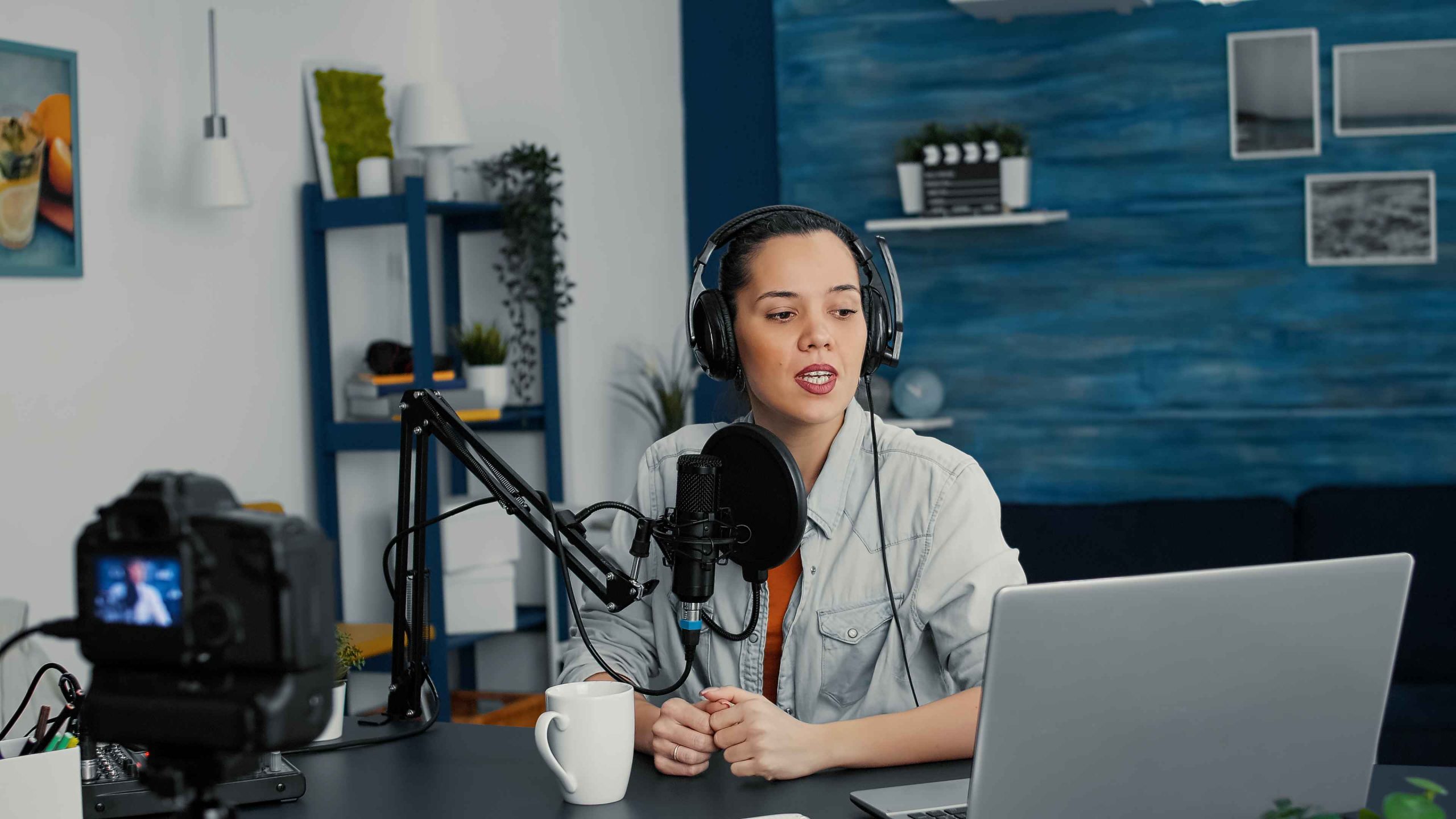
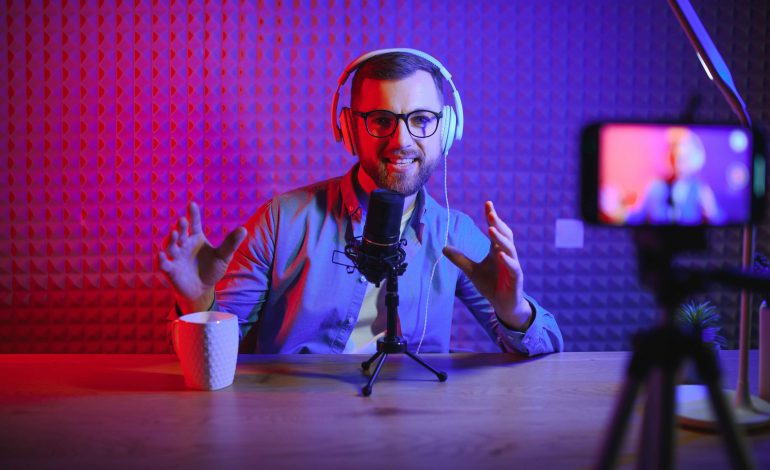
Solo video podcasts feature a single host delivering content directly to the audience.
Key Features:
-
Host presents information, stories, or commentary.
-
Often includes visuals such as slides, graphics, or screen recordings.
-
Ideal for thought leadership, tutorials, or personal storytelling.
Benefits:
-
Complete control over pacing, style, and content.
-
Simple to produce since no coordination with others is required.
-
Works well for platforms like YouTube and LinkedIn where viewers expect direct teaching or insights.
Considerations:
-
Engaging visuals are crucial to maintain viewer interest.
-
Risk of appearing one-dimensional if the host lacks charisma or energy on camera.
4. Panel or Roundtable Format
Panel video podcasts bring together multiple guests or experts to discuss a topic.
Key Features:
-
Structured moderation to guide conversation.
-
Can include in-person or remote video feeds.
-
Often recorded with multiple cameras for visual variety.
Benefits:
-
Diverse viewpoints increase depth and interest.
-
Encourages debate and dynamic discussions.
-
Engages audiences who enjoy multiple perspectives in a single episode.
Considerations:
-
More complex to coordinate and schedule.
-
Requires advanced editing to manage multiple video angles and ensure audio clarity.
5. Storytelling or Narrative Format
Narrative video podcasts are story-driven, often combining footage, narration, and interviews to tell a cohesive story.
Key Features:
-
Structured script or outline to guide the episode.
-
Uses B-roll, stock footage, or animations to enhance visuals.
-
Voiceover or host narration ties the story together.
Benefits:
-
Highly engaging for viewers, creating emotional impact.
-
Perfect for true crime, investigative series, or documentary-style podcasts.
-
Provides opportunities for high production value and creativity.
Considerations:
-
Time-intensive production and editing.
-
Requires strong storytelling skills and planning.
6. Live or Interactive Format
Live video podcasts allow real-time interaction with viewers.
Key Features:
-
Streamed on platforms like YouTube Live, Facebook Live, or Twitch.
-
Includes audience Q&A, polls, or live reactions.
-
Can be a mix of solo, interview, or panel formats.
Benefits:
-
Immediate engagement with viewers.
-
Builds a sense of community and loyalty.
-
Can repurpose live recordings for edited episodes later.
Considerations:
-
High-pressure environment—mistakes are visible in real-time.
-
Requires reliable streaming equipment and stable internet.
Conclusion
Choosing the best format for your video podcast depends on your goals, resources, and audience preferences.
-
Interviews work well for authority-building and cross-promotion.
-
Co-hosted discussions engage audiences through chemistry and debate.
-
Solo episodes allow complete control and thought leadership.
-
Panels provide diverse perspectives.
-
Storytelling formats captivate audiences with compelling narratives.
-
Live podcasts foster community and immediate interaction.
Experimenting with formats or combining them strategically can help podcasters keep content fresh, engaging, and shareable. By selecting a format that aligns with your strengths and goals, you can produce video podcasts that not only attract viewers but also retain and grow a loyal audience.